Pages

Showing posts with label First Islamic Bank in India. Show all posts

Friday, February 11, 2011

இந்தியாவில் இஸ்லாமிய வங்கி சாத்தியமே - H.அப்துர் ரகீப் அவர்களுடன் ஒரு நேர்காணல்


இஸ்லாமிய வங்கி முறைக்கு தடையில்லை என்ற கேரள உயர்நீதி மன்றத்தின் தீர்ப்பு  செய்தி கிடைத்தவுடன் இஸ்லாமிய வங்கி நடைமுறைக்கு கொண்டு வர முயற்சி மேற்கொண்டு வரும் ICIF (Indian Centre for Islamic Finance) இயக்குனர் ஜனாப் H.அப்துர் ரகீப் (முன்னாள் மாநிலத்தலைவர், JIH TN) அவர்களை ஜமாஅத்தே இஸ்லாமி ஹிந்த் தமிழக இணையதள குழுவினர் சந்தித்து வாழ்த்துகளை தெரிவித்தனர்.
இஸ்லாமிய வங்கி இந்தியாவில் நடைமுறைக்கு கொண்டு வரவேண்டும் என்ற அயராத முயற்சிகளுக்கு இடையில் நம்முடைய கேள்விகளுக்கு ஜனாப் H.அப்துர் ரகீப் அவர்கள் அளித்த பதில்கள்…

1. கேரள உயர்நீதி மன்றத்தின் தீர்ப்பை நீங்கள் எப்படி பார்க்கின்றீர்கள்?
வங்கி அல்லாத நிதி நிறுவனம் உருவாக்க கேரள அரசு ஒரு குழு உருவாக்கி ஆய்வு மேற்கொண்டது.  இஸ்லாமிய வங்கி முறையை மையமாக வைத்து செயல்படக்கூடிய ஒரு நிறுவனம் அமைக்கப்பட்டது.  இதில் கேரள அரசிற்கு 11% பங்கு என்றும் அரசால் உருவாக்கப்பட்ட கேரள தொழில் அதிபர்களை கொண்ட குழுவிற்கு 89%  பங்கு என்றும் செயல் வடிவம் கொடுக்கப்பட்டது.
இதற்கு திரு.சுப்பிரமணிய சுவாமி அவர்களும், ஹிந்து ஐக்கிய வேதி அமைப்பின் திரு.பாபு ஆகிய இருவரும் எதிரிப்பு தெரிவித்து வழக்கு தொடர்ந்தனர்.  அதில் அவர்கள் இந்நிறுவனம் அரசியல் அமைப்பு சட்டம் பகுதி 27-க்கு முரணாக உள்ளது என்று வாதிட்டனர்.  இடைக்கால தடையும் விதிக்கப்பட்டது.  விசாரணையின் முடிவில் கேரள உயர்நீதி மனற நீதிபதிகள் இஸ்லாமிய முறையில் செயல்படக்கூடிய கேரள நிதி நிறுவனத்திற்கு அனுமதி வழங்கி தடையை நீக்கியது.
இந்த தீர்ப்பு மிகத் தெளிவாக உள்ளது.  மேலும் இஸ்லாமிய வங்கி நடைமுறைக்கு கொண்டு வரும் இம்முயற்சியின் ஒரு மைல்கல். அல்ஹம்துலில்லாஹ்.

2. இஸ்லாமிய வங்கி பற்றி உலக அளவில் மக்களிடம் என்ன கருத்து இருக்கிறது?
2008க்கு பிறகு மிக பெரிய பொருளாதார நெருக்கடியை உலகம் சந்தித்தது.  மிக பெரிய நிறுவனங்கள் எல்லாம் பாதிக்கப்பட்டன.  ஆனால் இஸ்லாமிய வங்கி முறையில் நடைபெற்ற நிறுவனங்களுக்கு பெரிய பாதிப்பு இல்லை,  15% வளர்ச்சியையும் சந்தித்தது.  இது அனைவருக்கும் பெரிய ஆச்சரியத்தை உண்டாக்கியது.
போப் அவர்கள் கூறினார் உலக நாடுகள் இஸ்லாமிய வங்கி முறை பற்றி யோசிக்க வேண்டும் மேலும் முதலீடுகளை இஸ்லாமிய வங்கிக்கு செலுத்த ஆலோசனை வழங்கினார்.
இன்னும் குறிப்பாக 53 நாடுகளுக்கு மேலாக இம்முறையை கடைப்பிடித்து வருகின்றனர்.
இஸ்லாமிய வங்கி குறித்து உலக அளவில் பல்வேறு நபர்கள் கருத்து தெரிவித்துள்ளனர்.

3. இஸ்லாமிய வங்கி முறை மற்ற வங்கிகளைவிட சிறப்பானது எப்படி?
500 வருடங்களுக்கு மேலாக வட்டி இல்லாத வங்கி முறை எங்கும் இல்லை.  வட்டி சார்ந்த முறை தான் கடைப்பிடித்து வருகின்றனர்.  இன்றைய வங்கி முறைக்கும் இஸ்லாமிய வங்கி முறைக்கும் மிகப்பெரிய வித்தியாசம் உள்ளது.
இன்றைய வங்கி முறையில் பணம் போடுபவர்க்கும், கடன் வாங்குபவர்க்கும் மட்டும் தான் லாபம், இழப்பு.  வங்கிக்கு எந்த வகையிலும் பாதிப்பு இல்லை.  ஆனால் இஸ்லாமிய வங்கியில் லாபம், இழப்பில் வங்கிக்கும் பங்கு உண்டு.
இன்றைய வங்கி முறையில் பணம் பெற ஏதாவது அடமானம் வைக்க வேண்டும். அல்லது யாராவது ஜாமின் வழங்க வேண்டும்.  ஆனால் இஸ்லாமிய வங்கி முறையில் யார் வேண்டுமானாலும் கடன் பெறலாம், முதலீடு செய்யலாம்.  ஏழை, நலிவுற்றவர்களும் பயன் பெறும் வகையில் இஸ்லாமிய வங்கி முறை உள்ளது.  இன்னும் இஸ்லாமிய முறையில் பயன்பெற்ற விவசாயிகள் இன்று நல்ல நிலைமையில் இருக்கும் அறிக்கை நம்மிடம் உள்ளது.
பணக்காரர்கள் மேலும் பணக்காரர்களாவது ஏழைகள் மேலும் ஏழைகளாவது இஸ்லாமிய வங்கி முறையில் சாத்தியமில்லை.   எல்லோரும் பயன் பெறும் முறை என்பது இதன் தனி சிறப்பு.
மேலும் இஸ்லாமிய வங்கி முறையில் முதலீடு, பணம் தூயமையான வகையில் பயன்படுத்த படுகிறது. பின்வரும் முறைகளை தீவிரமாக கண்காணிக்கிறது.
  • வட்டி அல்லாத முறைதான் என்பதை உறுதி செய்கிறது
  • சூதாட்டம், மது, ஆபாசம், ஆயுதம், மக்கள் மோசடி போன்றவற்றில் முதலீடு இல்லை
  • முதலீடுகள் எங்கு உள்ளது என்பதை தெளிவாக காண இயலும்
ஆனால் இன்றைய வங்கி முறையில் வட்டிக்கு முக்கியத்துவம், IPL போன்ற மிகப்பெரிய சூதாட்டம் என மக்களிடம் அதிக லாபம் என்ற நோக்கில் செயல்படுகிறது.  இம்முறையை அகற்றி ஒழுக்கம் சார்ந்த முறைகளை (Ethical Plan)மட்டும் இஸ்லாமிய வங்கி அனுமதி வழங்குகிறது.  ஆக பணத்திற்கு பணமே வியாபாரம் ஆகாது. பணத்தை ஏதாவது பொருளை கொண்டு தான் வியாபாரம் செய்ய வேண்டும் என்ற முறையை இஸ்லாமிய வங்கி நடைமுறைப் படுத்துகிறது.

4. இஸ்லாமிய வங்கி குறித்து மத்திய அரசின் நிலை என்ன?
2005ல் திரு. ஆனந்த் சின்ஹா அவர்களின் தலைமையில் மத்திய அரசு ஒரு குழு உருவாக்கியது.  நாட்டில் இஸ்லாமிய வங்கி நடைமுறை சாத்தியம் குறித்து ஆய்வு செய்து அறிக்கையை அக்குழு சமர்ப்பித்தது.  இஸ்லாமிய வங்கி முறை சாத்தியமற்றது.  FootBall க்கும் Cricket க்கும் உள்ள வேறுபாடு போன்றது இஸ்லாமிய வங்கி முறையும் நாம் பின்பற்றுவதும்.  இதை அமல்படுத்த பாராளுமன்றத்தில் வங்கி முறை சட்டத்தில் மாற்றம் கொண்டுவர தீர்மானம் நிறைவேற்ற வேண்டும்.  ஆகவே இது சாத்தியமற்றது என்று அக்குழு கூறியுள்ளது.  ஆனால் அந்த அறிக்கை ஆதரமற்றது.  ஏனெனில் அதில் இஸ்லாமிய வங்கி குறித்த நிபுனர்கள் இல்லை.  மேலும் பல்வேறு இணையதளங்களை பார்த்து அறிக்கை தயார் செய்யப்பட்டிருந்தது.
ஆரம்பத்தில் அந்த அறிக்கையை பெற RBIஆளுநருக்கு கடிதம் எழுதினேன்.  ஆனால் அவர் இது தரமுடியாது என்று கூறினார்.  பிறகு Right to Information Act (RTI) மூலம் அந்த அறிக்கை கிடைத்தது.

5. இஸ்லாமிய வங்கி குறித்து மக்கள் மற்றும் மத்திய அரசிடம் செய்யப்பட்டு வரும் பணிகள் என்ன?
முதலில் மக்களுக்கு இஸ்லாமிய வங்கி குறித்த விழிப்புணர்வை ஏற்ப்படுத்த வேண்டும். ஏனெனில் இஸ்லாம் என்ற பெயரை கேட்டவுடனே பயங்கரம், சரி வராது என்ற கருத்து நிழவுகிறது.  இன்னும் குறிப்பாக முஸ்லிம்கள் மத்தியில் வட்டியில்லாத வங்கியா முடியாது என்ற கருத்தும் நிழவுகிறது. இவற்றை அகற்ற பல்வேறு நடவெடிக்கைகள் ICIF (Indian Centre for Islamic Finance) மூலம் செய்யப்பட்டு வருகிறது.
2008 ல் Planning Commission of India வரக்கூடிய காலங்களில் பொருளாதார மாற்றங்களில் எப்படி செயல்படுவது என்று திட்டமிட டாக்டர் ரகுராம் ராஜன் அவர்களின் தலைமையில் குழு அறிக்கை ஆய்வு செய்தது.  அவர்களை ICIF மூலம் சந்தித்து இஸ்லாமிய வங்கி முறையின் அவசியத்தை எடுத்துரைத்தோம். அக்குழு அவர்களது அறிக்கையில் 2 பகுதியில் இஸ்லாமிய வங்கி குறித்த அவசியத்தை சேர்த்துள்ள்னர்.   ஆனால் RBI அக்கருத்தை பெரிதாக எடுக்கவில்லை.  RBI ஆளுநர் மற்றும் இணைஆளுநரை அனுகினோம்.  அரசு தான் இஸ்லாமிய வங்கி குறித்து யோசிக்க வேண்டும் என்று கூறினர்.  பிறகு மத்திய நிதி அமைச்சர் திரு. பிரணாப் முகர்ஜியை சந்தித்தோம்.  அவர் RBI க்கும் ICFIக்கும் இடையில் ஒரு குழு அமைத்து அதில் விவாதிக்க வழியமைத்து கொடுத்தார்.  இந்த வகையில் கேரள உயர்நீதி மன்றத்தின் தீர்ப்பு இஸ்லாமிய வங்கி முயற்சிக்கு இன்ஷாஅல்லாஹ் நல்ல முன்னேற்றத்தை கொடுக்கும்.

6. Non-Banking System என்ற முறை இஸ்லாமிய வங்கி முறை இதில் அதிக முக்கியம் எதில் கொடுக்கிறீர்கள்?
உடனடியாக இஸ்லாமிய வங்கி முறை என்பது கடினம்.  முதலாவதாக இன்றைய வங்கி முறையில் இஸ்லாமிய வங்கி அடிப்படையில் வங்கிஅல்லாத நிறுவனத்தை அறிமுகம் செய்ய வேண்டும்.  உ.ம். அசைவ உணவகத்தில் சைவ உணவிற்கு ஒரு அறை என்ற வகையில் இஸ்லாமிய வங்கி முறைக்கு ஏற்பாடு செய்கிறோம்.  அதில் மக்கள் கண்டிப்பாக இஸ்லாமிய வங்கி முறையின் பலனை அறிவர்.
அடுத்த நடவெடிக்கையாக பாராளுமன்றத்தில் வங்கி சட்டத்தில் திருத்தம் செய்யும் வகையில் மசோதவை நிறைவேற்ற ஹைதராபாத் M.P மூலம் பேசி கொண்டு இருக்கிறோம்.  ஆனால் பாராளுமன்றத்தில் உறுப்பினர்களின் மசோதா குலுக்கல் முறையில் தான் தேர்வு செய்யப்படும்.  நம்முடைய முயற்சி வெற்றி பெற துஆ செய்யுங்கள்.  இந்த மசோதா கொண்டு வரும் நேரத்தில் இஸ்லாமிய வங்கிக்கு ஆதரவாக பேச பல்வேறு நபர்களிடம் தொடர்பு கொண்டு வருகிறோம். இன்ஷாஅல்லாஹ் அடுத்த அவையில் கூட இஸ்லாமிய வங்கி பற்றி விவாதிக்க வாய்ப்பு உள்ளது.
வெளிநாட்டில் இருக்கும் நம்முடைய மக்கள் மூலம் பிரதமரையும் தொடர்பு கொண்டிருக்கிறோம்.
ஆக பிரதமர், அமைச்சர்கள், அறிஞர்கள், பொது மக்கள் என எல்லா தரப்பில் தொடர்ந்து போராடி வருகிறோம்.

7. இஸ்லாமிய வங்கி ஏற்பட ஜமாஅத்தே இஸ்லாமி ஹிந்தின் பங்கு என்ன?
இஸ்லாம் வட்டியை வன்மையாக கண்டிக்கிறது.  கொடுக்கவும், வாங்கவும் கூடாது என்கிறது.  ஆனால் மக்களிடம் வட்டியிலிருந்து  விலகி இருக்கும் நிலை ஏற்படவில்லை.
வட்டியின் பக்கம் நெருங்காதீர்கள் என்று வட்டியினால் ஏற்படும் கொடுமைகளையும், தீமைகளையும் மக்களுக்கு தெளிவுப்படுத்த மெளலானா மெளதூதி அவர்கள் வட்டி பற்றி புத்தகம் எழுதினார். முதன் முதலில் அந்த புத்தகம் தான் மக்களிடம் நல்ல விழிப்புணர்வை ஏற்படுத்தியது.
வட்டியில்லா வங்கி முறையை எப்படி அமல்ப்படுத்துவது என்பதற்கான புத்தகத்தை டாக்டர். நஜாத்துல்லாஹ்  சித்திகீ அவர்கள் எழுதினார்.  அது தான் முதல் வழிகாட்டியாக பின்பற்றப்படுகிறது.  இன்னும் டாக்டர். ஃப்ஸ்லுர்ரஹ்மான் ஃபரிதி, டாக்டர். அவ்ஷாத் பலர் இதறகாக போராடி இருக்கிறார்கள்.
செயல்ரீதியாக வட்டியில்லா இஸ்லாமிய வங்கி முறையை ஆரம்பிக்க அப்போதைய அமீரே ஜமாஅத் மெள. யூசுஃப் அவர்கள் முடிவெடுத்தார்கள்.  அதன் அடிப்படையில் 500 க்கும் அதிகமான வட்டியில்லா நிறுவனங்கள் இந்தியாவின் பல்வேறு மாநிலங்களில் நடைமுறையில் உள்ளது.
கேரளாவில் வெற்றிகரமாக வட்டியில்லா நிறுவனங்கள் செயல்படுகிறது.  AICL என்ற அமைப்பு 10 வருடமாக சிறப்பாக செயல்படுகிறது.  இன்னும் அகில இந்திய அளவில் மைக்ரோ ஃபைனான்ஸ் என்ற முறையில் ஷஹுலத் மைக்ரோ ஃபைனான்ஸ் (Sahulath Microfinance) உருவாக்கப்பட்டுள்ளது.
இவ்வாறு ஜமாஅத்தே இஸ்லாமி ஹிந்த் இஸ்லாமிய வங்கி நடைமுறையில் வருவதற்கு கடுமையாக போராடி வருகிறது.
எல்லாப் புகழும் இறைவனுக்கே! 
From Jamaat-e-Islami Hind Tamil Nadu's website. More Here

Tuesday, February 08, 2011

“Bombay or Kochi can become gateways to Islamic banking and finance”


Islamic finance, which is based on profit and risk sharing, has gained tremendous popularity worldwide, especially in the aftermath of the global financial crisis. Apart from Muslim countries, major secular states such as Britain, the United States, Singapore and Japan have introduced the system.
The interest-free banking system is ideal for India. “India should introduce Islamic finance as quickly as possible, especially in order to attract funds from Gulf countries for its development projects. It should not miss the train,” said H. Abdur Raqeeb, convener of the National Committee on Islamic Banking and general secretary of Indian Center for Islamic Finance.
Speaking to Arab News, he said Prime Minister Manmohan Singh, former Finance Minister P. Chidambaram and economists such as Raghuram Rajan, economic adviser to Singh, and R. Seetharaman, CEO of Doha Bank, and politicians like Amar Singh of Samajwadi Party have spoken highly about Islamic finance.
“I have learned from informed sources that even the think tanks of the BJP-led NDA alliance accepted Islamic banking while ruling the country and wanted to recommend its introduction,” said Raqeeb.
He called upon the Reserve Bank of India (RBI) to take immediate steps to accommodate interest-free Islamic banking, following in the footsteps of financial authorities in Britain, Singapore and Japan. “This will not only facilitate the inflow of huge finance and sovereign funds from GCC (Gulf Cooperation Council) countries for our infrastructure projects but also help the minorities and the marginalized to actively participate in the economy with micro-finance based on equity,” Raqeeb said.
He hoped the new UPA government of Prime Minister Singh would introduce the system, not only to boost the country’s economy but also to improve the economic conditions of Muslims, the most disadvantaged community in financial sector, according to the Sachar Committee report.
“India requires $500 billion for new expansion projects in vital sectors in the next 10 years. “From where we’ll get this money. IMF (International Monetary Fund) and World Bank are unable to support us today because they don’t have the liquidity. Huge funds are available only in the Gulf and they could be tapped through Islamic finance,” he said. Raqeeb said many investors in the Gulf had withdrawn their funds from Western countries in the wake of 9/11 events and were looking to east for investment opportunities, especially in India and China.
“Our government should make use of this golden opportunity,” he added.

Asked about the recent comment made by Muhammad Al-Jasser, governor of Saudi Arabian Monetary Agency (SAMA), that Islamic finance can compete with other products on global markets on its own merits without faith-based support, Raqeeb said it shows its wide acceptance, cutting across faiths.
“Achieving 15 to 20 percent growth is extraordinary. A nascent industry making constant growth giving returns is something fantastic,” he said. Total assets of Islamic banks and financial institutions are estimated at $1 trillion.

Islamic banking and finance are not meant for Muslims alone. “This is a misconception,” said Raqeeb. “About 40 percent of investors and 60 percent of borrowers in Islamic banks of Malaysia are non-Muslims. One in every five applicants for some Islamic products of the Islamic Bank of Britain is non-Muslim,” he pointed out. Pope Benedict XVI recently urged Western banks to adopt Islamic banking principles as a solution to global financial crisis.

One of the key instruments in the Islamic banking called Sukuk is considered a solution to the subprime crisis that triggered the global economic downturn. While subprime crisis resulted in $400 billion losses to conventional banks, Islamic banks practicing Sukuk have come virtually unscathed from the crisis.
Reghuram Rajan, chairman of the Financial Sector Reforms Committee and the youngest Indian to become the chief economic adviser to IMF, has recommended the introduction of interest-free finance.

“The non-availability of interest-free banking products results in some Indians, including those in the economically disadvantaged strata of society, not being able to access banking products and services due to reasons of faith,” the committee and advised the government to take measures for the delivery of interest-free finance on a large-scale, including through the banking system. “Bombay or Kochi can become gateways to Islamic banking and finance in the near future,” Raqeeb concluded.

From Arab News. More Here

'Islamic Banking Has A Bright Future in India', says Abdur Raqeeb


Islamic Banking has been a hot topic in India for the last few months. The debate on whether Islamic Banking is permissible in India has a lot of dimensions. H Abdur Raqeeb, Convener, National Committee on Islamic Banking, points out the benefits of Islamic Banking to the deprived class in an interview with Pramod Thomas. Abdur Raqeeb, who is also the General Secretary of Indian Center for Islamic Finance (ICIF), here describes what really Islamic Banking means.

How do you perceive the recent Kerala High Court order regarding Islamic banking?
First of all, I wish to clarify that the recent verdict of the High Court of Kerala was not on Islamic banking but for the participation or rather having a share of 11% in an NBFC-Non Banking Financial company- based on Shariah principles by State of Kerala or its agencies like Kerala State Industrial Development Co-KSIDC.

Dr Subramaniam Swamy's argument was that being a secular country, Kerala government  cannot take part or promote an Islamic Financial Company and it was as if promoting the Islamic religion or propagating the religion which is against the secular edifice of the Indian constitution.

Again Kerala government cannot spend tax payers money on such ventures according to the article 27 of Indian constitution.

The verdict is significant in the sense that for the first time the court has ruled that it is not against secular concept of the Indian constitution to promote religion based finance like shariah-(Islamic principles of finance and business) based companies and regulates them.

This is a significant and historic judgment and in future will lead to Islamic banking in our great country along with conventional banking.

This is just like a non-vegetable hotel having and allowing a separate section for vegetarians as well. Now there is a scope that the GOI will allow both the conventional finance based on interest and Islamic finance and banking which is interest free
What is the future of Islamic banking in India?
The future is very bright for Islamic banking in India. Sixty percent people of the country are not covered by the conventional banking and most of them are marginalized and the minorities.

Small farmers, skilled laborers, petty traders do not have collateral and not credit worthy as per banking system and minorities like Muslims are excluded because of interest based banking which is strictly prohibited in their faith.
If an alternate system which is interest free and ethical and provides a platform for the marginalized, this is going to be a big boost for this Islamic banking.

Planning Commission of India constituted a high level committee on Financial Sector Reform in 2008 headed by Dr RaghuRam Rajan, former IMF Chief Economist and some of the outstanding bankers and legal experts of India and this committee, CFSR, recommended that Interest free banking to be included in the main banking system of India for" inclusive growth  with innovation."

In simple terms what is Islamic banking and how it can be beneficial for common man?
Some of the salient features of Islamic banking are as follows:
It is interest free
It is based on profit and loss sharing concept- risk and reward in most of the venture
Against any speculative trade like futures, derivatives etc
Against investment on unethical projects like liquor, gambling, pornography, weapon of mass destruction, environmental hazards etc.
Investment on real economy and asset based and not engaged on financial engineering which is money being traded against money.
Is the term Islamic the main obstacle for the popularity of Islamic banking, If so how can you convince others?
To a certain extent, the word Islamic is misunderstood by a large segment of the people and this is also due to misinformation by the media which parrots blindly the western propaganda.

Islamic finance and banking is therefore named as alternative banking in Britain, participatory banking in Turkey, interest free banking in some countries like Nigeria.

Any name is possible but the principles of Shariah are to be followed to a large extent which is ethical and socially responsible.

Another misconception is that Islamic finance and banking is for Muslims only. This is not true. In Malaysia, forty percent customers in Islamic banks are non Muslims and in Britain twenty percent customers are non-Muslims.

Further, secular modern and industrialized countries where Muslim population is not large, like Britain, France, Hong Kong and Singapore, the regulators have accommodated Islamic finance and banking and allowed a level playing field along with the conventional banking.

If London, Paris, Zurich, Singapore and Hong Kong can become hub and house of Islamic finance and banking, why not Mumbai and Cochin?

How a business man will get assistance from Islamic banking for fund raising?

According to Dr Hussein Hamid Hassan, Chairman, Shariah Board, Dubai Islamic Bank, Conventional banks have only one product whatever their name or product may be, they are based on interest, but Islamic Banks have product what each customer, every project and every circumstance tailor made like, Mudharaba, musharaka, Ijara, Sukuk, Takaful, Qard Hasna etc.

The details can be had from any standard book on Islamic Finance or from Google websites on Products in Islamic Finance.

Source : Viewsjournal

You can contact Abdur Raqeeb at abdraqeeb@gmail.com, www.icif.in, Mob: +91 9444075501 or D-309, Abul Fazl Enclave, Jamia Nagar, New Delhi-110025

Monday, February 07, 2011

Kerala High Court clears way for India's first Islamic bank


India is all set to have its first Islamic bank.

The Kerala High Court on Thursday dismissed petitions challenging the Kerala government's decision to establish India's first Islamic Bank which will work on the principles of Shariah.

The order came from a Division Bench comprising Chief Justice J Chalameswar and Justice P R Ramachandra Menon, which rejected petitions filed by Janata Party President Subramaniam Swamy and another. The petitioners contended that the state establishing a bank which will work on the principles of a religion will violate the principle of secularism enshrined in the Constitution. However, the court did not agree.

Reacting to the HC verdict, Swamy said he will consider appealing to the Supreme Court after going through the full text. ``I will challenge the same if it was dismissed on merits,'' he said.

The state had first floated the idea of establishing the bank under an entity registered as Al-Baraka Financial Services way back in December 2009. The bank was also to have a body of Islamic scholars to advise whether the principles of shariah were being complied with.

A report by Ananthakrishnan G in Times of India. More Here.


'It is not a case of supporting or promoting a particular religion', HC snubs Subramaniyam Swamy.

The judges said that under Article 298, if the State government had the freedom or authority to carry on any trade or business or acquire or dispose of property and to enter into a contract, the belief that the State was prohibited from doing any trade or business, either with a religious organisation or an organisation which proposed to carry on a business in a manner compliant with a set of religious beliefs, would be “ inconsistent with the established rules of interpretation of constitutional documents.” The Constitution did not place any “absolute embargo” on the government associating itself with any religious activity.

The petitioners could not demonstrate how the impugned government order had brought about the effect of directly promoting a particular religion, the Bench said

The government's intention was to derive commercial benefits from the venture. Money from the exchequer would be paid to an institution which did not propose to carry on religious activities such as preaching or propagation.

The government's participation in such a joint venture would not have the primary and direct effect of supporting or promoting a particular religion.

From a report in The Hindu. More Here.

A major victory in the battle of establishing Islamic Bank in India

The move has much broader implications considering Islamic finance has not taken off due to a stand taken by RBI that such a form of banking is not possible given present regulation. This stance was taken by an internal working group of RBI whose report was never made public. In the past, Islamic scholars had made representations to RBI to allow such products. Subsequent representation to allow Islamic finance products was stalled as the government was awaiting the verdict of the Kerala High Court.

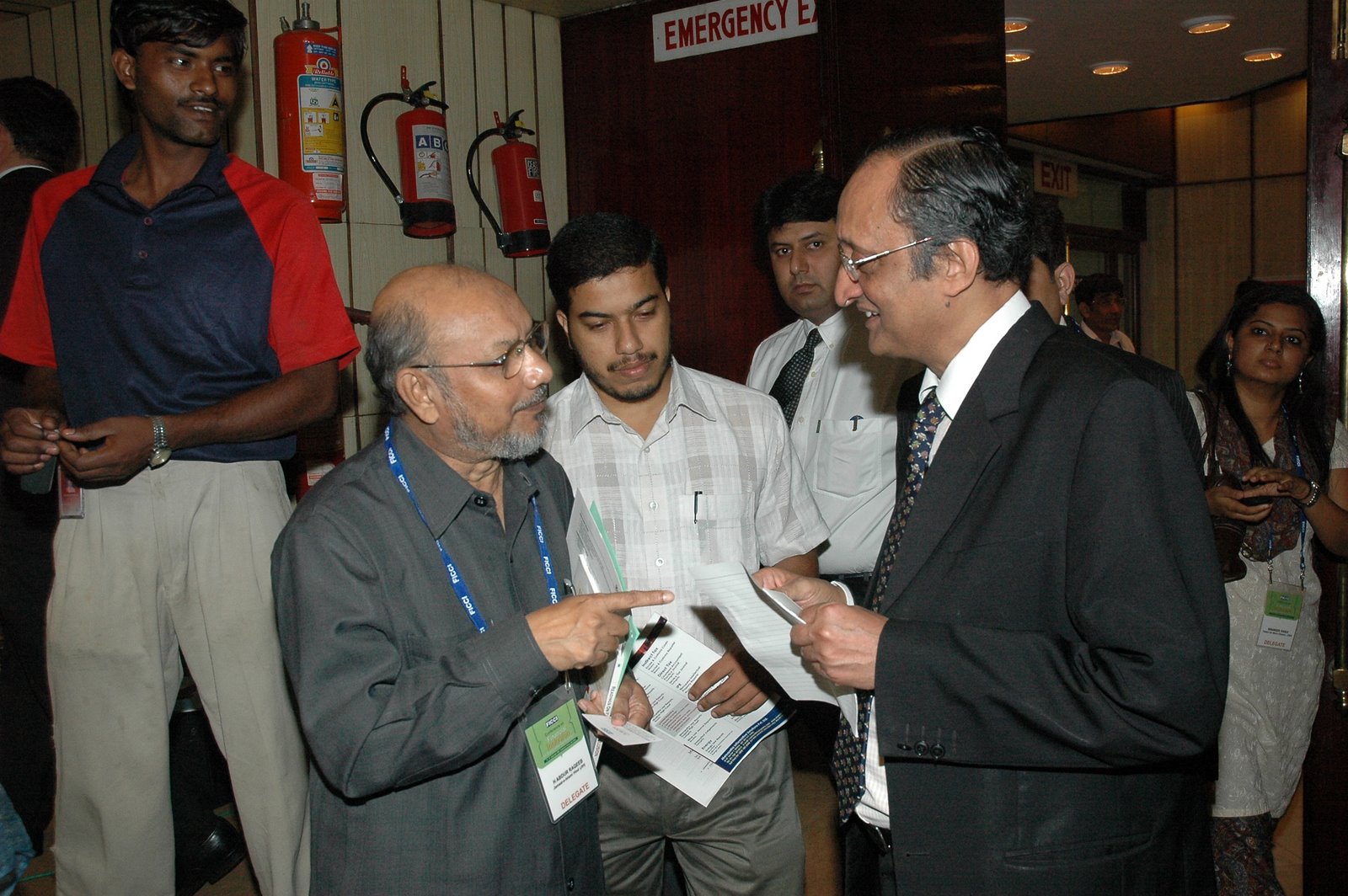
H Abdur Raqeeb with Amit Mithra
The key difference between Islamic and conventional banking is that while the conventional form offers interest on deposits mobilized, Islamic finance works on the principles of investment and sharing of profits. Islamic banking products are offered by leading banks in the West who also use Shariah compliant products to mobilize funds from the Middle East.

Exisiting lenders like State Bank of India too have considered the feasibility of launching Islamic finance products through its international banking operations. However, these products have not taken off because of lack of regulatory clarity. Some bankers feel that considering that India has the second largest Muslim population in the world, there will be large potential for Islamic banking products.

In January 2010, the HC had stayed implementation of the proposal on petitions by Janata Party chief Subramanian Swamy and Hindu Aikyavedi leader R V Babu who argued that the participation of the state government in such an institution went against secular principles enshrined in the Constitution.


H Abdur Raqeeb with Pranab Mukherjee
Dismissing the petition, the court observed that although the institution was based on the principles of a religion, its motive was not to propagate the religion and the state's participation in it was purely based on commercial prospects. ''Therefore, there is no need to object the state's participation in it,'' the bench said. The bench said the Reserve Bank of India would examine whether the Islamic financial institution went against any of the central bank's guidelines. Swamy said he would decide on the future course of action after studying the verdict.

''We have made representations to the RBI and government and submitted them documents to show how banks in UK and Singapore, Hong Kong and Japan have amended their regulations to facilitate Islamic finance. They have told us that they will look into it,'' said H Abdur Raqueeb, general secretary, Indian Centre for Islamic Finance-ICIF. He added that although ICIF has made representations to the finance ministry as well, they have been informed that the matter was sub-judice.

State-owned Kerala State Industrial Development Corporation (KSIDC) began work after finance minister Thomas Isaac had floated such an idea in 2009. The plan was to start an institution based on Islamic banking principles and this was to be established under another entity, which was registered as Al-Baraka Financial Services. The proposal was also to appoint an advisory body, comprising Islamic scholars who would ensure that the institution functioned under the Shariah rules. KSIDC was to hold 11% share in Al-Baraka. The financial institution also has 14 promoters and Gulf-based Kerala entrepreneurs P Mohammed Ali and C K Menon are to hold the posts of its chairman and vice-chairman respectively.
From a report of T Ramavarman in Times of India. More Here.

Translate

Related Posts Plugin for WordPress, Blogger...