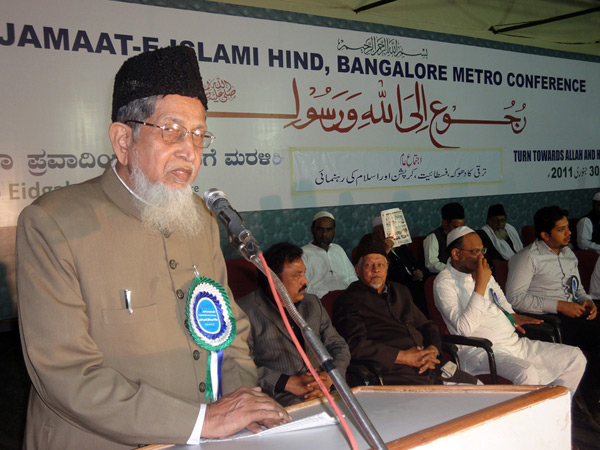
"I once said that al-Qaeda was over in Tunisia, the eruption of the revolution in Tunisia means there is a third way for a change. It's not that of violence, it's not that of integration into the current regimes under the pretext of aiming to reform them because these regimes cannot be reformed.
Changing the internal systems of these regimes failed and changing them through violence also failed. So the Arab world was going through a state of inactivity.
Tunisia came up with a third way which is the peaceful revolution. In one year three regimes have so far been toppled and two others are on the way to being toppled. This wave will not stop."
-Sheikh Rachid Ghannouchi
Sheikh Rachid Ghannouchi, the leader of the Ennahda party, which won the first Tunisian elections after Zine El Abidine Ben Ali, the country's former president, was toppled in January, talks about the Arab Spring, free elections and the implementation of Sharia in Tunisia. Marwan Bishara interviews Sheikh Rachid Ghannouchi. Here
Showing posts with label interview. Show all posts
Monday, November 21, 2011
"This wave will not stop.": Rachid Ghannoushi
Wednesday, November 09, 2011
Family first, Job next: Thasneem Fathima
![]() |
| Thasneem Fathima |
I first went to the AMU in 2002. At that time, I had never even dreamt that I would study there. After marriage, when my husband planned to go to the AMU for PhD, I too tried hard and passed the GATE. Thus I joined there. The Electrical Engineering Department was excellent. All the professors were eminent in their fields. And I would like to mention two who were highly inspirational and gave me confidence – Dr Yusuf Zaman and Dr Omar Faruq. Compared to the other institutes I have studied, education at the AMU was enjoyable and tension-free. Initially I had a problem of language for communicating with the local students, but I soon got it over. There was a thrill in studying in such a distant place.
Actually I increased contact with Almighty Allah after going to the AMU. There was a Muslim culture and atmosphere in the Department. Teachers used to say ‘Assalamu Alaikum’ when entering classes. There is a masjid in the centre of the Engineering College, with all the departments around it. There were facilities for prayer in the department itself. There were eight students in my class at the AMU – three Muslim girls and five non-Muslim boys. Among the teaching staff, there was only one non-Muslim. But, here in the NIT-C where I am pursuing PhD now, there are no Muslim teachers at all. There are seven students in my batch with one Muslim boy and girl.
Being a married woman with two kids, how do you manage your family and career?
Time management is very important in studying. Normally we study one or two hours daily, and I study when my kids sleep. I utilize the available time well. Also, I had servant to help at home. My youngest son was only one and half years old when I joined for M Tech. The support of family is very important. I got complete support from my husband and in-laws. Actually, my percentage of marks increased after marriage.
Most important things in the matter of education and studies are peace of mind and prayer. I used to call up and talk to my parents and parents-in-law before every exam and ask them to pray. Their prayer is very important for me. Actually I had more people to encourage and inspire after marriage. Help of Allah is the most important thing.
When studying I had never thought of a career in teaching. But now since I want to keep family and career together, I took this up. Even when I am tired during the project days, I get brightened up when I see my kids and their smile. I have dedicated my project work to my husband and kids.
What is your advice to the growing up students, especially girls?Thasneem Fathima in Two circles. Here
Though family, education and job are important, family comes a bit higher.
Saturday, June 11, 2011
"Hindu Terror" could reduce the state to impotency : Bhanu Pratap Mehta
Bhanu Pratap Mehta in conversation with Sheela Bhatt for rediff.com. HereWhich is the deeper faultline in India? The caste divide or the Hindu-Muslim divide?
The big promise of the Constitution is about what rights people have and what opportunities people have. Should we be independent of what identity we have?
The baseline is that your rights and opportunities that you have should not be decided by your identity. Both caste politics and communal politics take us away further and further away from those ideals of the Constitution.
Caste politics was legitimate to an extent that the leaders were trying to bring injustices to the State's attention. The fact is that your opportunities are still structured on the basis of caste you belong to. Unfortunately, the system (reservations) that we created was such that opportunities that you got were more dependent on the caste you belong to.
The Hindu-Muslim divide is not a theological divide. It is a divide created on the basis of ideology where political parties want to use certain kind of nationalism for popular recognition.
Common to both divides is that they exercise compulsory identities. These politicians want to see that each Indian can only be the caste that they belong to or be the community that they belong to. They are not emancipating us.
In political terms, the Hindu-Muslim divide is deeper and takes away a lot from us. I am not saying that the caste divide is not polarising, but there are so many castes and sub-castes.
The caste divide challenges us, polarises us and poses a question: Are our Constitutional aspirations possible to achieve or not?
The communal divide has, historically, manifested in much more virulent forms of violence. The big silver line is that after the Gujarat riots there has not been any major riot. But the worrying factor is the news of the so-called 'Hindu terror.'
Even if it is a slight percentage, it is worrying because it can produce a chain reaction that could reduce the State to impotency.
I also think that the social distance between Hindus and Muslims have grown in the last two decades. Particularly, in housing and jobs. Muslims are more into self-employment. They are not participating in new institutions.
This is happening because the State is not seen as a fair and credible player. If you unjustly lock out some Muslims youth they will have a grudge. The State has to be a fair player.
Wednesday, June 08, 2011
"Can the hungry go on a hunger strike?": Arundhati Roy
I want to talk more about Mary Roy – and eventually we do – but there's one important point to clear up first. Guerrillas use violence, generally directed against the police and army, but sometimes causing injury and death to civilians caught in the crossfire.
Arundhati Roy in conversation with Stephen Moss in Guardian. Here
Does she condemn that violence? "I don't condemn it any more," she says. "If you're an adivasi [tribal Indian] living in a forest village and 800 CRP [Central Reserve Police] come and surround your village and start burning it, what are you supposed to do? Are you supposed to go on hunger strike?"
"Can the hungry go on a hunger strike? Non-violence is a piece of theatre. You need an audience. What can you do when you have no audience? People have the right to resist annihilation."
Friday, May 27, 2011
மௌலானா சையத் ஜலாலுத்தீன் உமரி பேட்டி!
ஜமாஅத்தே இஸ்லாமி ஹிந்த் தன்னுடைய குறிக்கோளை அடைவதற்கான போராட்டத்தைத் தொடரும்!
மௌலானா சையத் ஜலாலுத்தீன் உமரி பேட்டி!
மௌலானா சையத் ஜலாலுத்தீன் உமரி அவர்கள் அமீரே ஜமாஅத்தாகத் தேர்ந்தெடுக்கப்பட்ட பிறகு ஏப்ரல் 6 அன்றே தஅவத் இதழுக்காக அவருடன் உரையாட முயன்றேன். ஆனால் மௌலானா ஷஃபி மூனிஸ் சாகிப் இறந்துவிட்டதால் அன்றைய தினம் மௌலானா அவர்களுடன் பேசுவதற்கு வாய்ப்பும் நேரமும் வாய்க்கவில்லை. மத்தியப் பிரதிநிதிகள் சபையின் கடைசி அமர்வையும் தள்ளி வைக்க வேண்டிய கட்டாயம் ஏற்பட்டது. எப்பாடு பட்டாவது ஏப்ரல் 31 ஆம் தேதியிட்ட தஅவத் இதழில் அமீரே ஜமாஅத் அவர்களின் பேட்டியை வெளியிட வேண்டும் என்பதுதான் எனது நோக்கமாக இருந்தது. ஆனால் மௌலானா அவர்களோ அடுத்தடுத்த தினங்களில் இன்னும் அதிகமாகப் பிஸியாகிவிட்டார். சுற்றுப்பயணங்கள் வேறு! இந்த நிலைமையில் வெல்ஃபேர் பார்ட்டி ஆஃப் இந்தியா தொடங்கப்பட்டுவிட அது தொடர்பான கேள்விகளையும் சேர்க்க வேண்டியதாயிற்று. இவ்வாறாக, பல்வேறு பிரச்னைகள், வாய்ப்புகள், சவால்கள் குறித்து மௌலானா அவர்களுடன் பல மணிநேரம் பேசுகின்ற வாய்ப்பு கிடைத்தது.வெவ்வேறு நாட்களில் மூன்று அமர்வுகளில் இந்த உரையாடல்கள் நடந்தன. மௌலானா அவர்கள் மிகவும் ஆர்வத்துடன் எல்லாவற்றைக் குறித்தும் விரிவாக விடையளித்தார். பேட்டி நீண்டுவிட்டதால் மௌலானா அவர்களின் அனுமதியுடன் சில கேள்விகளுக்கான விடைகளின் சில பகுதிகளை நீக்கி சுருக்க வேண்டி வந்தது. இவ்வாறாக, பல்வேறு விஷயங்கள் குறித்து ஒருங்கிணைந்த, இரத்தினச் சுருக்கமான, நிறைவான விடைகள் தொகுத்துத் தரப்படுகின்றன. பேட்டியின் தொகுப்பை அமீரே ஜமாஅத் அவர்களும் ஒரு பார்வை பார்த்துக் கொடுத்துள்ளார்.
சற்றே காலதாமதமாக இந்த நேர்காணல் அச்சானாலும் மன நிறைவைத் தரும் என்று எதிர்பார்க்கின்றேன். முஸ்லிம் உம்மத், இஸ்லாமிய இயக்கம், நாட்டுப் பிரச்னைகள், சமுதாயச் செயல்பாடுகளில் ஆர்வம் கொண்டுள்ள அனைவரும் இதனை வாசித்துப் பயன் பெறுவார்கள் என்கிற நம்பிக்கை எனக்கு உண்டு. நாட்டுநடப்பு, நிகழ்வுகள் பற்றிய மௌலானாவின் தாக்கங்களும், எண்ணங்களும் அவ்வப்போது வழங்கப்படும். இன்ஷா அல்லாஹ்!
- பர்வாஸ் ரஹ்மானி, ஆசிரியர், தஅவத் வாரம் இருமுறை
m ஜமாஅத் உறுப்பினர்கள் மீண்டும் ஒரு முறை உங்களைத் தங்களின் அமீராகத் தேர்ந்தெடுத்திருக்கின்றார்கள். மிகப் பெரும் பொறுப்பை உங்கள் மீது சுமத்தியிருக்கின்றார்கள். நீங்கள் எப்படி உணர்கின்றீர்கள்?
மௌலானா சையத் ஜலாலுத்தீன் உமரி: முதல் தடவையாக என் மீது இந்தப் பொ-றுப்பு சுமத்தப்பட்ட போது இந்தப் பொறுப்பை நிறைவேற்றுவதற்குத் தேவையான அறிவாற்றல், இறையச்சம், இறைப்பற்று, ஞானம், மதிநுட்பம், அர்ப்பணிக்கும் பண்பு, இறைவழியில் நிலைத்து நிற்றல் போன்ற அனைத்திலும் மற்றவர்களை விட கடைகோடியில் இருப்பவனாகத் தான் என்னை நானே பார்த்தேன். நான்கு ஆண்டுகள் இந்தப் பொறுப்பைச் சுமந்த பிறகு அந்த உணர்வு இன்னும் கூடியிருக்கின்றது.
உண்மை என்னவெனில், வாழ்க்கைத் திட்டம் பற்றிய புரட்சிகரமான பார்வையைக் கொண்ட, தனிப்பட்ட வாழ்விலும் கூட்டு வாழ்விலும் அதிரடி மாற்றங்களை ஏற்படுத்த விழைகின்ற, இந்த நோக்கத்திற்காக நாடு முழுவதிலும் மும்முரமாகச் செயல்பட்டு வருகின்ற ஒரு இயக்கத்துக்குத் தலைமை தாங்குவதும் வழிகாட்டுவதும் சாதாரண வேலை அன்று. ஆனால் ஜமாஅத் இந்த எளியவன் மீது நம்பிக்கை வைத்திருக்கின்றார்கள். கடந்த நான்காண்டுகளில் இயக்கத் தோழர்களும் நண்பர்களும் எனக்கு அளித்த ஆதரவும் ஒத்துழைப்பும் எனக்கு மனநிறைவைத் தருகின்றது; என்னுடைய கவலையைப் போக்குகின்றது. அல்லாஹ்வின் தனிப்பெரும் கிருபைக்கும் அருளுக்கும் அடுத்ததாக இயக்கத் தோழர்களின் ஆதரவும் ஒத்துழைப்பும் அசாதாரணமான முக்கியத்துவம் வாய்ந்ததாகும். இனி வரும் நாட்களிலும் எனக்கு இந்த ஆதரவும் ஒத்துழைப்பும் கிடைத்துக் கொண்டே இருக்கும் என்றும் இயக்கம் வெற்றிப்பாதையில் மேன்மேலும் முன்னேறிச் செல்லும் என்றும் நம்புகின்றேன். இன்ஷா அல்லாஹ்
m மத்திய தலைமையகச் சூழலைக் குறித்துச் சொல்லுங்களேன். அய்ம்பது ஆண்டுகளுக்கும் மேலாக மத்தியத் தலைமையகத்துடன் இணைந்து இருந்திருக்கின்றீர்கள். பன்னிரு ஆண்டுகள் அகில இந்தித் துணைத் தலைவராக (1991-இலிருந்து) செயல்பட்டிருக்கின்றீர்கள். எனவே மத்தியத் தலைமையகமும் அதன் சூழலும் உங்களைப் பொறுத்த வரை அந்நியமான சூழல் கிடையாது. என்றாலும் நீங்கள் அமீரே ஜமாஅத்தாகச் செயலாற்றிய இந்த நான்கு ஆண்டுகளில் மத்தியத் தலைமையகச் சூழல் குறித்து உங்களுடைய உணர்வுகளைக் கூறுங்களேன்
மௌலானா சையத் ஜலாலுத்தீன் உமரி: இந்தக் கேள்வி இரண்டு பரிமாணங்களைக் கொண்டது. முதலா-வது மத்தியத் தலைமையகத்தில் இருப்பவர்கள் ஒருவருக்-கொருவர் கொண்டுள்ள உறவு பற்றியது. இந்தக் கோணத்-தில் பார்த்தால் மனம் மகிழ்ச்சியால் நிறைகின்றது. மத்தியத் தலைமையகத்தில் பணியாற்றுகின்ற பொறுப்பாளர்கள், ஊழியர்கள் மத்தியில் அன்பும் இணக்கமும் தூய எண்ணமும் நிறைந்த உறவும் தொடர்பும் நிலைபெற்றுள்ளது. அவர்கள் அனைவருடைய ஒத்துழைப்பும் ஆதரவும் இந்த எளியவனுக்குத் தொடர்ந்து கிடைத்து வந்துள்ளது. தலைமையகத்தில் இருக்கின்ற நாம் அனைவருமே ஒரே டீமாக, குழுவாகச் சேர்ந்து செயலாற்றி வருகின்றோம்.
இரண்டாவது பரிமாணம் இறைத்தொடர்பு, தஸ்கியா ஆகியவற்றுடன் தொடர்புடையதாகும். இந்தக் கோணத்தில் பார்த்தால் சில தோழர்கள் மிக மிக பாராட்டத்தக்க அளவில் தங்களை வளர்த்துக் கொண்டுள்ளார்கள். இந்த விஷயத்தில் அவர்கள் நம் எல்லோருக்கும் ஊக்கமளிக்கும் முன்னுதாரணமாக இருக்கின்றார்கள்.
சில சகோதரர்களிடம் சில பலவீனங்கள் காணப்படுகின்றன. ஆனால் தங்களின் பலவீனங்களை அவர்கள் உணர்ந்திருக்கின்றார்கள். இது மகிழ்ச்சியளிக்கும செய்தியாகும். சகோதரர்களுக்கு அவர்களிடம் இருக்கின்ற பலவீனங்கள் குறித்து உணர்த்தும்போது எவருமே முகம் சுளித்ததில்லை; அதிருப்தியடைந்ததில்லை. இனி வருங்காலத்தில் அவர்கள் தங்களின் பலவீனங்களைக் களைந்து கொள்வார்கள் என்கிற எதிர்பார்ப்பு இருக்கின்றது.
Parvaz Rahmani, Editor, Dawat interviews Moulana Syed Jalaludeen Umari, Ameer-e-Jamaat. Translated by T Azeez Luthfullah. More Here
Wednesday, April 27, 2011
Madhu Koda and his RSS Connections
Q Your political rise was meteoric…
A I had never imagined that I would be in politics, or even planned to join it. I was involved in a labour movement in mines. We were partly successful in our campaign. We were able to ensure miners got minimum wages and that they were paid OT (overtime) fees as well. A lot of miners benefitted from our movement. Over a period of time, my involvement as an activist fighting for the rights of miners led to the formation of a base of supporters and sympathisers in the organised and unorganised sectors.
Q At that time you weren’t associated with a political party...
A Yes, I wasn’t a member of any political party. But as my activities as a ‘mazdoor andolan’ leader expanded in 1989, mine owners began to view my labour activism adversely. They began lodging false cases against me. I then realised the strategic necessity of continuing my activism under the banner of a political party. That’s when I joined the BJP [in 1994].
Q Were you also with the RSS?
A Yes, I was in touch with them. I was with the BJP, and it is natural that I would be in contact with the RSS.
Madhu Koda in conversation with VK Shashi Kumar in Open. More Here and Here
Subscribe to:
Posts (Atom)