Pages

Showing posts with label T. Azeez Luthfullah. Show all posts

Sunday, October 21, 2012

Life, surprises and the Prophet of Islam


Life is always full of surprises, twists and turns.
It is God who shapes our lives. It is He who directs us.
The Prophet of Islam used to pray: "Oh God! Bless me with sudden, instant pleasant surprises and happiness. Protect me from sudden, instant unpleasant, tragic happenings and accidents"

திடீர் திருப்பங்களையும் ஆச்சரியங்களையும் கொண்டதுதான் வாழ்க்கை. நம்முடைய வாழ்வையும் செயல்களையும் இயக்குவது இறைவனே. கண்காணிப்பவனும் அவனே. ஆட்சியாளனும் அவனே. அண்ணல் நபிகளார்(ஸல்) பிரார்த்தித்து வந்தார்: "என் இறைவனே! திடீர் சந்தோஷங்களையும் இனிய ஆச்சர்யங்களையும் எனக்கு அருள்வாயாக. திடீர் திருப்பங்களிளிருந்தும் ஆபத்துகளிலிருந்தும் விபத்துகளிளிருந்தும் என்னைக் காப்பாற்றுவாயாக. "

Sunday, March 11, 2012

Will Third Front emerge?


Akilesh Yadav would be swearing in as the youngest Chief Minister of Uttar Pradesh on 15th March. Akilesh Yadav seems to be a politician of entirely different calibre. He is educated as well as down to earth. He is cool as well as full of passion. He is dignified in his victory. He has given the Samajwadi Party a fresh face and a new life. Above all he has defeated both Congress and BJP. That makes him special.
The rise of Akilesh Yadav heralds a new chapter in Indian politics. We had sons, and daughters of various political leaders donning the role of netas earlier too. India has seen Rajiv Gandhis, Rahul Gandhis, Biju Patnaiks, Ajit Singhs, Chautalas, Chavans, Chandrababu Naidus etc etc. We have our own share of Stalins, Anbumanis, Azhagiris, Kanimozhis, Dayanithi Marans, Jayalalithas, Janakis etc etc. But, they don't inspire you. You never felt happy when Stalin or Jayalalitha sworn in as Ministers.  
The rise of Akilesh Yadav is significant in an entirely different context. It has given hope and fresh lease of life for the dream of Third Front. UPA's second innings is a disaster for the country as well as the Congress. Rahul Gandhi has failed to strike a chord with the Aam Aadmi. He has joined the league of former future Prime Ministers in the company of L. K. Advani and others. Congress would definitely lose the next election. BJP too is not in a position to stage a comeback. The humiliating defeat suffered by Uma Bharati in UP conveys a lot. The perpetual blot of Babri Masjid demolition and everlasting stigma of Gujarat genocide would never make it acceptable in all parts of the country. Hence a combination of Mulayam's SP, Karunanidhi's DMK, Mamata's TMC, Andhra's TRS or TDP and Communists could forge a formidable alliance and THIRD FRONT could be formed to save the nation from the pro-US and anti-Aam Aadmi parties like Congress and BJP.

Thursday, February 09, 2012

I.I.T.s, the Mother of all exams and Manu Joseph


In the 1980s and ’90s, the migration of Indian scientific talent to the United States, deplored here as a “brain drain,” became a subject of intense debates in schools and colleges. Once, during the convocation ceremony at I.I.T.-Madras, the chief speaker received a standing ovation when he declared, “Brain drain is better than brain in the drain.” His words traveled with the speed of a rumor across Madras, also known as Chennai, through homes and schools, evoking laughter and applause, and delivering a bleak reminder to young boys that their lives depended on passing the J.E.E.

The glamour of the I.I.T.’s has always inspired parents to force their children to take the J.E.E. Increasingly, those parents are from modest educational and financial backgrounds. A few years ago, in Mumbai, I walked into a J.E.E. coaching class that conducted its own entrance exam to filter out 9 out of 10 applicants. An orientation program for parents was under way. A man who could not read English was sitting with brochures and study materials. He was disturbed that I was carrying a red book while he had not been given any such book. I told him that the book I was holding was a novel called “Love in the Time of Cholera.”

For a long time, the IITians were from urban, literate middle-class families, and it was inevitable that their success would inspire small-town Indians to prepare for the mother of all entrance exams.
I.I.T. professors and alumni have been mourning the falling quality of the students. Last October, Narayana Murthy, the co-founder of Infosys and an I.I.T. alumnus, told an audience in New York that the new IITians were substandard. “They somehow get through the Joint Entrance Examination. But their performance in I.I.T.’s, at jobs or when they come for higher education in institutes in the U.S. is not as good as it used to be.” It is improbable that the I.I.T.’s will ever regain their old glory. The circumstances of the nation have changed, and the smartest Indians do not need an engineering degree to find a place in the world or to make a decent living. Also, the government has not invested enough in the I.I.T.’s, and the most talented scientific minds have the option to enroll in genuinely outstanding centers of learning in the West instead of being stuck in a place that has derived its prestige largely from the fact that only one in 50 cracks its entrance exam
Manu Joseph in The New York Times. More Here.

Note: Manu Joseph failed to note the caste dimension. Earlier all the IITians used to be Brahmins. Now aspiring students from other lower castes and dalits have succeeded in cracking the test. The number of Brahmins have started dwindling. Suddenly IITs have lost their glory. (Note by T. Azeez Luthfullah)

Monday, February 06, 2012

Make someone smile today

T Azeez Luthfullah, Br Sheikh Ismail, Moulana Syed Jalaludeen Umari, Br Adil Sait and Dr S.Q.R Ilyas

It takes just a second to change our lives.
A careless driver, a passing snake, a scream unheard…
Our whole world can turn upside down without a moment’s notice.
We may even die before we know it.


I’m not saying that we should not do anything with our lives.
We all know the story of the man who refused to leave his room for the fear that a car might run over him or a tree might fall on him, and finally was killed when a painting that fell from the wall hit him on the head.
I want to say just this:
In the little time that we live, let’s do good things.

Lend a helping hand, now and then.
Add colour to someone’s life.
Go on. Make someone smile today..
Poet at Heart. Here 

Five ways to give 'physical' Sadaqah
The Prophet (pbuh) said: “Every good deed is charity.” (Bukhari)
He also said: “On every person’s joints or small bones (i.e. fingers and toes), there is sadaqah (charity) due every day when the sun rises. Doing justice between two people is sadaqah; assisting a man to mount his animal, or lifting up his belongings onto it is sadaqah; a good word is sadaqah; every step you take towards prayer is sadaqah; and removing harmful things from pathways is sadaqah.” [Muslim]
 
So based on the hadeeth above, here are five ways you can start to give ‘physical’ sadaqah this ramadan. The list is hardly exhaustive however as you read, ask yourself how you can implement these acts of charity in your daily schedule to increase your good deeds inshaAllah:
1. Always start with a smile:

We can never underestimate the wonders behind a smile. The Prophetic teachings tell us that every smile is charity.

So step one is to make sure you smile; often opportunities in the day arise where we can effortlessly smile and spread the salaam, such as when your on the road travelling, going to work, at the mosque, when you pass by a homeless person, when you meet guests or see children (as often it brings a smile to their face too!)

2. Remember Allah frequently:

To remember Allah is to give sadaqah with your tongue. The value and weight of dhikr are heavy and outstanding, and is our key to being rich in our relationship with Allah (Subahanahu Wa Ta’la). In an amazing narration the Prophet advised the one who could not give money to charity, or offer anything from their possessions, to increase in performing dhikr as a better equivalent.

Allah (Subahanahu Wa Ta’la) says in Surah Al-Baqarah: ‘Remember Me, and I will remember you’ [2:152].

You might wonder where you can start as there are so many adhkars for so many occassions.
Productive Ramadan. More Here

Wednesday, December 28, 2011

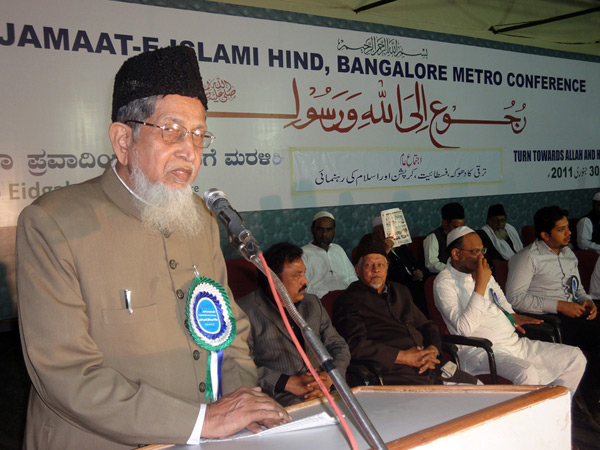
Markazi Majlis-e-Shura in my Naani ghar..!


It was a fascinating spectacle.

The Markazi Majlis-e-Shura of Jamaat-e-Islami Hind was about to begin in my grand mother's house. The atmosphere was that of bonhomie. You could find sherwani clad Moulanas everywhere. Where on earth you could find such a comraderie and mutual affection.

I was very much elated. I found myself running here and there. I was very much amused and excited. In my grandpa's room elderly Moulanas were staying. H Abdur Raqeeb Sahib's voice could be heard. I could not comprehend what is being said. Raqeeb Sahib was sitting in a chair and some Moulana was reclining in a bed. They were talking amicably.

Suddenly I found myself in the hall. It is the same hall where I used to play as a child. Grand pa used to listen BBC in his radio sitting in a easy chair in that very hall. They had converted it into a meeting hall.

Instantly I found myself moving towards the backyard. There people are taking their breakfast silently. Ameer-e-Halqa A Shabbir Ahmed was eating french toast. Somebody was placing a slice of a colourful fruit in someone's plate.

Then again I found myself in the passage between the hall and the backyard. At that instant Ameer-e-Jamaat in a bright blueish black Sherwani entered. He was moving confidantly like a bridegroom with a vibrant smile lit in his face. His steps are measured. He was flanked by two Moulanas. I could not recall their faces.

The hall is nearly full. Ameer-e-Jamaat and others were sitting in a row.

Suddenly I hear a feeble voice of my wife calling Rafia, my fourth daughter (who is doing her UKG). I look for Rafia. She was coming towards me. I move towards her to fetch her.

Just then the voice of my wife had gone shriller.

RAFIAAA..! SCHOOL JANE KA IRADHA HAI YA NAHIN..!

I woke up instantly.

Oh! It was a dream!
What a dream it was!

Tuesday, June 21, 2011

ஜமாஅத்தே இஸ்லாமி ஹிந்தில் மஸ்லக் பற்றிய பிரச்னைகளே இல்லை: அமீரே ஜமாஅத் பேட்டி - நான்காம் பாகம்


m முஸ்லிம் சமுதாயத்தில் மஸ்லக் தொடர்பான சர்ச்சைகள், விவாதங்கள் இன்றும் நீடிக்கின்றனவே! இன்றும் அனல் பறக்கும் விவாதங்களும் சூடான சர்ச்கைகளும்தாம் புகழ்பெற்ற மார்க்க மதரஸாக்கள் வெளியிடுகின்ற பத்திரிகைகளை ஆக்கிரமித்திருக்-கின்றனவே! (இன்று நாட்டில் பத்திரிகை வெளி-யிடாத மதரஸாவே இல்லை என்கிற அளவுக்கு மதர-ஸாக்கள் அனைத்தும் பத்திரிகைகளை வெளியிட்-டுக்கொண்டிருக்கின்றன) கடந்த 25 ஆண்டுகளில் இந்தச் சமுதாயம் மிகக் கடுமையான நெருக்கடிகளை-யும் மிகப்பெரும் பிரச்னைகளையும் சந்தித்து நிற்-கின்றது. என்றாலும் மஸ்லக் தொடர்பான சர்ச்சை-களுக்கும் சண்டைகளுக்கும் தான் முடிவே இல்லாத நிலைமையைப் பார்க்கின்றோம். நம் நாட்டில் மட்டும் ஏன் இந்த நிலைமை? இதற்கு யார்தான் பொறுப்பு? இந்த நிலைமையை எப்படித்தான் மாற்றுவது? ஒரு மார்க்க அறிஞர் என்கிற நிலையில் உங்களுடைய கருத்துகளைச் சொல்லுங்களேன்.


மௌலானா சையத் ஜலாலுத்தீன் உமரி: இன்று நாம் சந்தித்து நிற்கின்ற முக்கியமான முரண்பாட்டை நீங்கள் குறிப்பிட்டிருக்கின்றீர்கள். உலகம் முழுவதும் முஸ்லிம்கள் மத்தியில் ஃபிக்ஹு தொடர்பான விவகாரங்களிலும், மஸ்லக் தொடர்பானவற்றிலும் கருத்து வேறுபாடுகள் இருக்கத்தான் செய்கின்றன. ஆனால் இந்தக் கருத்துவேறுபாடுகள் இந்தியத் துணைகண்டத்தில் (இந்தியா, பாகிஸ்தான், பங்களாதேஷ்) முற்றிப்போய் கடுமையாகியிருப்பதைப் போன்ற நிலைமையை உலகில் வேறு எங்குமே பார்க்க முடியாது.

இதற்குப் பல்வேறு காரணங்கள் இருக்கின்றன. முதலாவதாக, இந்த மஸ்லக்குகளை ஏற்றுக்கொண்டிருப்பவர்கள் இவற்றையே சமுதாயத்தின் முக்கியமான பிரச்னையாகப் புரிந்துவைத்திருக்கின்றார்கள். இன்னும் சொல்லப்போனால் அவர்கள் இவற்றையே உண்மையான மார்க்கமாகவும் நினைத்துக்கொண்டிருக்கின்றார்கள். இதனால் தம்முடைய மஸ்லக்குக்கு ஆதரவாக வாதிடுவதை மார்க்கத்திற்குச் செய்கின்ற மிகப்பெரும் சேவையாகவும் இவர்கள் நினைக்கின்றார்கள். மஸ்லக்குகளின் உயிர்நாடியே இந்தப் பிரச்னைகள்தாம் என்று இவர்கள் நினைக்கின்றார்களோ என்றும் தோன்றுகின்றது. இதனால் இவர்கள் எதிராளியின் மஸ்லக்கை சகித்துக்கொள்வதற்கு எந்த நிலையிலும் முன் வர மாட்டார்கள்.

இது தொடர்பாக இரண்டு விஷயங்களைக் கருத்தில் கொள்வது அவசியமாகும்.

முதலாவதாக மஸ்லக் தொடர்பான இந்தக் கருத்து வேறுபாடுகள் மார்க்கம், ஷரீஅத் தொடர்பான கொள்கை சார்ந்த கருத்துவேறுபாடுகள் கிடையாது. அதற்கு மாறாக இந்தக் கருத்துவேறுபாடுகள் அனைத்தும் சில சட்டங்கள், பிரச்னைகள் தொடர்பானவையே. அந்தச் சட்டங்கள், பிரச்னைகள் குறித்து ஷரீஅத்தின் நிலைப்பாட்டை அறிய முற்படும்போது ஏற்படுகின்ற கருத்து வேறுபாடுகள்தாம் இவை. இந்தப் பிரச்னைகளோ மார்க்கத்தின் அடிப்படைகளுடன் தொடர்புள்ள பிரச்னைகள் அன்று. அதற்கு மாறாக அவை கிளைப் பிரச்னைகளாக, பகுதிப் பிரச்னைகளாகத்தான் இருக்கின்றன. குர்ஆனும் நபிவழியும்தாம் இறுதி ஆதாரங்கள் என அனைத்து மஸ்லக்குகளைச் சேர்ந்தவர்களும் ஏற்றுக்கொள்கின்றார்கள். அதன்படித்தான் செயல்படுகின்றோம் என்றே அனைவரும் வாதிடுகின்றார்கள். ஆனால் சில சட்டங்கள், பிரச்னைகள் தொடர்பாக அவற்றுக்குச் சான்றாக முன்வைக்கப்படுகின்ற சான்றுகள் குறித்துதாம் கருத்து வேறுபாடுகள் ஏற்பட்டுள்ளன. எந்தவொரு மஸ்லக்கையும் ஆதாரமற்றது என்று சொல்லிவிட முடியாது. அனைத்துமே தமக்கென ஆதாரங்களையும் சான்றுகளையும் கொண்டிருக்கின்றன. இந்தச் சான்றுகளை மையப்படுத்தித்தான் வாதங்களும் சர்ச்சைகளும் மேற்கொள்ளப்படுகின்றன. இந்தச் சான்றுகளின் அடிப்படையில் எந்தப் பிரச்னையில் எந்த மஸ்லக்குக்கு முன்னுரிமை இருக்கின்றது என்கிற கோணத்தில்தான் விவாதம் நடக்கின்றது. இதனை நெஞ்சத்தில் பசுமையாக வைத்திருந்தால் கருத்துவேறுபாட்டில் கடுமையோ, தீவிரமோ ஏற்படுவதற்கு வாய்ப்பே இல்லை.

இந்த மஸ்லக்குகள் தொடர்பாக சர்ச்சைகள், வாதவிவாதங்களில் மூழ்கிப்போவதால் தீனின் உண்மையான நோக்கம், அதன் அடிப்படைக் கோட்பாடுகள் ஆகியவை அமுங்கிப் போகின்றன; இறைவனுடனும் இறைத்தூதருடனும் தொடர்பும் பற்றும் மழுங்கிப் போகின்றன; நடத்தையிலும் எண்ணத்திலும் உயர்ந்தோங்க வேண்டும் என்கிற ஆசையும் கைரே உம்மத்தாக இருக்கின்றோம் என்கிற எண்ணத்தெளிவும், தன்னுடைய வெற்றிக்காகவும் உலகின் வெற்றிக்காகவும் அந்த மார்க்கத்திற்காக சுறுசுறுப்பாக செயல்பட்டாக வேண்டும் என்கிற கடமையுணர்வும் மறந்துபோகின்றன; இன்றைய காலத்தில் இஸ்லாம்தான் ஒரே மாற்றாக இருக்கின்றது என்கிற உண்மையும் இதுபோன்ற அடிப்படையான விவகாரங்களும் பார்வையிலிருந்தும் சிந்தனையிலிருந்தும் விலகிப்போய்விடுகின்றன. இன்னும் சொல்லப்போனால் இது போன்ற விஷயங்கள் நம்முடைய பேச்சிலும் விவாதத்திலும் இடம்பெறாமலே போய்விடுகின்றன.

மார்க்கத்தைப் பற்றிய சரியான கருத்தோட்டமும் தற்போதைய நிலைமைகளில் அது நம்மிடம் வேண்டுவன எவை என்பவற்றைப் பற்றிய விழிப்புணர்வு நம்முடைய நெஞ்சங்களில் இருக்குமேயானால், இந்தக் கிளைப் பிரச்னைகளிலும் சின்னச் சின்ன சர்ச்சைகளிலும் நாம் சிக்கிக்கொள்ளவே மாட்டோம். மற்றவர்கள் செய்கின்ற இஜ்திஹாதையும் செயல்முறையையும் மகிழ்ச்சியுடன் சகித்துக்கொள்வோம். தொடக்கக்காலத்தில் நபித்தோழர்கள் அப்படித்தான் நடந்துகொண்டார்கள். அவர்களுக்கிடையிலும் சில பிரச்னைகளில் கருத்து வேறுபாடுகள் இருந்திருக்கின்றன. ஆனால் அந்தக் கருத்து வேறுபாடுகளை வைத்துக்கொண்டே அவர்கள் அனைவரும் ஒன்றுபட்டு நின்றார்கள். மார்க்கத்தின் பக்கம் மக்களை அழைக்கின்ற பணியிலும் மார்க்கத்தை மேலோங்கச் செய்கின்ற போராட்டத்திலும் தோளோடு தோள் நின்று பங்கேற்றார்கள். அந்த அழகிய முன்மாதிரியை ஏற்றுச் செயல்பட வேண்டிய தேவை இருக்கின்றது.

ஜமாஅத்தே இஸ்லாமி ஹிந்தில் இந்த மஸ்லக் பற்றிய பிரச்னைகளே இல்லை என மகிழ்ச்சியுடன் சொல்லிக்கொள்கின்றேன். மஸ்லக் பற்றிய கருத்து வேறுபாடுகளின் தீவிரத்தையும் கடுமையையும் கட்டுப்படுத்துவதில் ஜமாஅத் பெருமளவுக்கு வெற்றி பெற்றிருக்கின்றது. இன்னும் சொல்லப்போனால் ஒரு வகையில் அவற்றை முற்றாக ஒழித்துவிட்டிருக்கின்றது என்றே சொல்வேன். ஜமாஅத் அன்பர்களில் வெவ்வேறு மஸ்லக்குகளை ஏற்றுக்கொண்டிருக்கின்றவர்கள் இருக்கின்றார்கள். ஆனால் யார் எந்த மஸ்லக்கைப் பின்பற்றுகின்றார் என்கிற அளவிலும் கூட ஜமாஅத் அன்பர்கள் விசாரித்துக்கொள்வதுமில்லை; அது பற்றிய சர்ச்சையே மூள்வதில்லை. இகாமத்தே தீன் - தீனை நிலைநாட்டுதல் என்கிற உயர்ந்த, சிறந்த குறிக்கோள் ஜமாஅத் ஊழியர்களை ஓரணியில் நிற்க வைத்திருக்கின்றது. இதே போன்று ஜமாஅத்துடன் தொடர்புடைய மார்க்க மதரஸாக்கள், நிறுவனங்களிலும் கூட ஃபிக்ஹு நிலைப்பாடுகள் பற்றி விவாதம் நடந்தாலும் ஒரு குறிப்பிட்ட நிலைப்பாட்டை ஏற்றுக்கொண்டாக வேண்டும் என்று எவர் மீதும் எந்தவோர் மஸ்லக்கும் திணிக்கப்படுவதில்லை. அதற்கு மாறாக, தாமாக நிலைப்பாடு ஒன்றை எடுத்துக்கொள்வதற்கு எல்லாருக்கும் சுதந்திரம் தரப்படுகின்றது.  

தமிழில்
: T. அஜீஸ் லுத்ஃபுல்லாஹ்
This is the concluding part of the interview of Ameer-e-Jamaat
Parvaz Rahmani, Editor, Dawat interviews Moulana Syed Jalaludeen Umari, Ameer-e-Jamaat. Translated by T Azeez Luthfullah. More Here 
and Here and Here and Here

Tuesday, June 14, 2011

வெல்ஃபேர் பார்ட்டி ஆஃப் இந்தியா ஜமாஅத்தே இஸ்லாமி ஹிந்தின் அரசியல் கட்சி அன்று: அமீரே ஜமாஅத் பேட்டி - மூன்றாம் பாகம்


m தேர்தல் அரசியலில் பங்கேற்பது பற்றிய விவகாரத்தில் ஜமாஅத்துக்குள்ளேயே கருத்து வேறுபாடுகள் நிலவுவதாகவும் தேர்தல் அரசியலில் பங்கேற்க வேண்டும் என்று பெரும்பான்மையான மக்கள் விரும்புவதாகவும் இது நம்முடைய கோட்பாட்டுக்கும் சிந்தனைக்கும் நேர்மாறானது என்றும் இப்போதையச் சூழலில் தேர்தல் அரசியலில் பங்கேற்பது என்றும் மற்றவர்கள் எதிர்ப்பதாகவும் விஷயம் தெரிந்தவர்கள் மத்தியில் ஒரு கருத்து காணப்படுகின்றது. நீங்கள் என்ன நினைக்கின்றீர்கள் ?


மௌலானா சையத் ஜலாலுத்தீன் உமரி: தற்போது உள்ள ஸிஸ்டம் இஸ்லாத்திற்கு அப்பாற்பட்டது, அசத்தியமானது என்பதிலும் இந்த ஸிஸ்டத்தை மாற்றுவதற்காக ஜமாஅத் பாடுபட வேண்டும் என்பதில் எந்தவிதமான கருத்துவேறுபாடும் இல்லை.

ஆனால் இப்போது நம்முடைய விவாதத்தில் இருக்கின்ற விவகாரம் இந்திய முஸ்லிம்கள் எதிர்கொண்டுள்ள பல்வேறு பிரச்னைகளுடன் தொடர்புடையதாகும். அவர்கள் சிறுபான்மையினராக இருப்பதால் இந்தப் பிரச்னைகள் இன்னும் அதிகமாகக் கூர்மையடைந்துவிட்டுள்ளன.

தேர்தல் அரசியலில் பங்கேற்பது மூலமாக முஸ்லிம்கள் எதிர்கொண்டுள்ள இந்தப் பிரச்னைகளைத் தீர்க்க முடியுமா  என்பதுதான் இங்கு எழுகின்ற கேள்வி.

இதற்குத் தீர்வுகாண்பதில் இருவேறு கருத்துகள் காணப்படுகின்றன என்பது உண்மையே. அதனைத்தான் நீங்களும் சுட்டிக்காட்டியிருக்கின்றீர்கள். தேர்தல் அரசியலில் பங்கேற்க வேண்டும்; அது ஒட்டுமொத்தமாக நாட்டுக்கும் சமுதாயத்துக்கும் நன்மை அளிப்பதாக அமையும் என்பதுதான் பெரும்பாலோரின் கருத்து. இது தொடர்பாக என்னுடைய கருத்தை வெளிப்படுத்த வேண்டும் எனக் கேட்டிருக்கின்றீர்கள். உங்களுடைய இந்தக் கேள்விக்கு நான் பதில் அளிப்பது பொருத்தமாக இராது. என்னுடைய சொந்தக் கருத்து இதற்குச் சாதகமாகவும் இருக்கலாம்; எதிராகவும் இருக்கலாம். ஒரு பொறுப்பாளர் என்கிற முறையில் நான் இந்த விவாதத்தில் விழக்கூடாது.

அண்மையில் நடந்த ஜமாஅத்தின் மத்திய பிரதிநிதிகள் சபை கூட்டத்தில் பேசியபோது ‘நம் நாட்டின் அரசியல் அமைப்புச் சட்டத்தில் செக்குலரிஸம், சோஷலிஸம், டெமாக்ரஸி ஆகிய சொற்கள் ஒரு தனிப் பொருளில்தான் ஆளப்பட்டிருக்கின்றன. சோஷலிஸம் குறித்து நாட்டின் உச்ச நீதிமன்றம் ‘சோஷலிஸம் என்கிற சொல்  தொடக்கக்காலத்தில் எந்தப் பொருளில் ஆளப்பட்டதோ அந்தப் பொருளில் நாம் அதனை ஆள்வதில்லை. அதற்கு மாறாக சமூக நீதி என்கிற பொருளில்தான் தற்போது ஆளப்படுகின்றது’ எனக் கருத்து தெரிவித்துள்ளது.
மௌலானா அபுல் லைஸ் இஸ்லாஹி நத்வி
செக்குலரிஸத்தைப் பொருத்தவரை ரொம்பக் காலத்திற்கு முன்பே அப்போதைய அகில இந்தியத் தலைவர் மௌலானா அபுல் லைஸ் இஸ்லாஹி நத்வி மிகத் தெளிவாக எடுத்துரைத்துவிட்டார். அந்தக் காலத்தில் டாக்டர் சையத் மஹ்மூத் ‘செக்குலரிஸம் குறித்து உங்களுடைய கருத்து என்ன?’ என வினவிய போது மௌலானா அபுல் லைஸ் இஸ்லாஹி நத்வி அவர்கள் ‘செக்குலரிஸம் என்பதற்கு இந்த நாட்டில் எந்தவொரு மதத்தின் ஆட்சியும் இருக்காது; அனைத்து மதத்தினரும் சமமாக நடத்தப்படுவார்கள்; அனைவருக்கும் தத்தமது மதத்தின் அடிப்படையில் செயல்படுவதற்கு முழுமையான சுதந்திரம் உண்டு’ என்பதுதான் பொருள் எனில் நாங்கள் அந்த செக்குலரிஸத்திற்கு எதிரானவர்கள் அல்லர். ஆனால் செக்குலரிஸம் என்பதற்கு இறைவனின் ஆட்சியையும் இறையாண்மையையும் இறைவனின் அதிகாரத்தையும் மறுப்பதுதான் பொருள் எனில் நாங்கள் அதனை எதிர்ப்போம்’ என்று நறுக்குத்தெறித்தாற்போல் பதிலளித்தார். பிற்பாடு மத்திய ஆலோசனைக் குழுக் கூட்டத்திலும் இது குறித்து விவாதிக்கப்பட்டு மௌலானாவின் விளக்கம் உறுதி செய்யப்பட்டது.

ஜனநாயகம் தொடர்பாகவும் இதே நிலைப்பாடுதான். நான் இதனைக் குறித்து எத்தனையோ தடவை எழுதியிருக்கின்றேன். இறைவனின் அதிகாரத்திற்குப் பதிலாக மனிதர்களின் அதிகாரத்தை ஏற்றுக்கொள்வதுதான் ஜனநாயகம். இதனை நாங்கள் தவறான சிந்தனை என்றே சொல்கின்றோம். ஆனால் ஜனநாயகத்திற்கு இருக்கின்ற சிறப்பு என்னவெனில் அது கருத்து சுதந்திரத்தையும் விருப்பம் போல் செயல்படுகின்ற சுதந்திரத்தையும் வழங்குவதுதான். இந்தச் சுதந்திரமான சூழல் அழைப்புப் பணிக்கும் பரப்புரை செய்வதற்கும் சமூக சீர்திருத்தப் பணிகளுக்கும் களம் அமைத்துத் தருகின்றது. இதனால் தான் இத்தகைய சுதந்திரத்தையும் உரிமைகளையும் மறுக்கின்ற, ஒரு குறிப்பிட்ட பண்பாட்டையும் கலாச்சாரத்தையும் நாட்டு மக்கள் அனைவர் மீதும் திணிக்க நாடுகின்ற மற்ற ஸிஸ்டங்களோடு ஒப்பிடும்போது ஜனநாயகத்தின் அடிப்படையிலான சிஸ்டத்தை நாங்கள் விரும்புகின்றோம்.

நமது நாட்டில் ஜனநாயகம் நிலைபெற்றுள்ளது. இதிலிருந்து பயனீட்டுவதற்கு நாம் முயல வேண்டும். இஸ்லாத்தை நல்ல முறையில் அறிமுகம் செய்வதற்கும் முயல வேண்டும். இஸ்லாத்தைக் குறித்து இங்குக் காணப்படுகின்ற தவறான கருத்துகள், எண்ணங்களைக் களைவதற்கும் முயல வேண்டும். இஸ்லாத்தை மேற்கொள்வதில் நாட்டின் வெற்றியும் உலகத்தின் நன்மையும் அடங்கியிருக்கின்றது என்பதைத் தெளிவுபடுத்த வேண்டும். எந்தவொரு மதமோ அல்லது மார்க்கமோ அரசாங்க மதமாக அறிவிக்கப்படுவதற்கு ஜனநாயகம் தடையாக இருக்கும் என்றும் சிலர் சொல்கின்றார்கள். ஜனநாயக வழியில் செயல்பட்டு இந்தத் தடையை அகற்றுவதற்கான பொருத்தமான வழிவகைகள் மேற்கொள்ளப்பட வேண்டும் என்றே நான் நினைக்கின்றேன். 
Parvaz Rahmani, Editor, Dawat interviews Moulana Syed Jalaludeen Umari, Ameer-e-Jamaat. Translated by T Azeez Luthfullah. More Here

அமீரே ஜமாஅத் பேட்டி - இரண்டாம் பாகம்

m உலகளாவிய அளவில் விவாதிக்கப்படுகின்ற, கருத்துப் பரிமாற்றம் செய்யப்படுகின்ற விவாதப் பொருளாக இஸ்லாத்தை ஆக்க வேண்டும்; இவ்வாறாக உலக அளவில் முடுக்கிவிடப்பட்டுள்ள இஸ்லாத்திற்கு எதிரான பிரச்சாரப் புயலிலிருந்து வெளி வருகின்ற பாதை புலப்பட்டுவிடும் என்றும் நீங்கள் சொல்லி வந்துள்ளீர்கள். இப்போது மேற்கத்தியர்களும் எந்தவிதமான பக்கச்சார்பும் இல்லாமல் உள்ளார்ந்த ஈடுபாட்டுடன் இஸ்லாத்தை ஆராய்வதற்கு முன் வந்துள்ளார்கள் என இப்போது தோன்றுகின்றது. இது தொடர்பாக அண்மையில் வெளியான ‘ஏ வர்ல்ட் வித் அவுட் இஸ்லாம்’ என்கிற நூலைச் சொல்லலாம். அமெரிக் உளவு நிறுவனமான ஸி.ஐ.ஏ.வில் பல்லாண்டுகள் பணியாற்றிய மூத்த உளவுத்துறை அதிகாரி கிரஹாம் ஃபுல்லர் என்பவர் இந்த நூலை எழுதியிருக்கின்றார். மேற்கிலும் கிழக்கிலும் இந்த நூல் பரவலாகப் பேசப்படுகின்றது. இஸ்லாத்தைக் குறித்து மேற்கத்திய உலகம் கொண்டுள்ள நிலைப்பாட்டை பக்கச்சார்புள்ளது; துவேஷமும் காழ்ப்பு உணர்வும் கொண்டது என்று கிரஹாம் ஃபுல்லர் கடுமையாக விமர்சித்து ஒதுக்கியிருக்கின்றார். இஸ்லாத்தை அதன் மூல நூல்களிலிருந்து கற்றுக்கொள்வதற்கும் புரிந்துகொள்வதற்கும் முன் வர வேண்டும். இதுதான் காலத்தின் கட்டாயம் என்றெல்லாம் அவர் எழுதியிருக்கின்றார். இதனை வரவேற்கத்தக்க மாற்றம் என்று சொல்லலாமா?  


மௌலானா சையத் ஜலாலுத்தீன் உமரி: இஸ்லாத்திற்கு எதிராக மேற்கொள்ளப்பட்டு வருகின்ற அவதூறு பிரச்சாரத்தின் விளைவாக மக்கள் மத்தியில் இஸ்லாத்தை அறிந்துகொள்ள வேண்டும் என்கிற தாகத்தை உண்டுபண்ணியிருக்கின்றது என்பதில் ஐயம் இல்லை. இஸ்லாத்தை அறிமுகப்படுத்துவதற்கு நல்லதொரு வாய்ப்பை அது உருவாக்கியிருக்கின்றது என்பதும் சரியே.
கிரஹாம் ஃபுல்லர் எழுதிய புத்தகத்தையும் நாம் இந்தப் பின்னணியில்தான் பார்க்க வேண்டும். என்னால் அந்த நூலை முழுமையாக வாசிக்க இயலவில்லை. என்றாலும் அந்த நூல் பற்றிய விமர்சனங்கள் சிலவற்றை வாசித்திருக்கின்றேன். கிரஹாம் ஃபுல்லரின் துணிவைப் பாராட்டத்தான் வேண்டும்.
இங்கு ஒரு விஷயத்தை நாம் மறந்துவிடக்கூடாது. மேற்கத்திய உலகம் இஸ்லாத்தைப் போட்டியிடுகின்ற சக்தியாகத்தான் காலங்காலமாகப் பார்த்து வந்துள்ளது. அந்த அடிப்படையில்தான் அது இஸ்லாத்தை கடுமையான விமர்சனத்திற்கும் உள்ளாக்கி வருகின்றது. நிலைமைகளுக்கேற்ப இந்த விமர்சனங்களின் பாணியும் இலக்கும் மாறும். அவர்கள் சில சமயம் இஸ்லாத்தின் அடிப்படைக் கோட்பாடுகளையே குறிவைத்து விமர்சிப்பார்கள். சில சமயம் அண்ணல் நபிகளாரின் அழகிய வாழ்வை விமர்சிப்பார்கள். சில சமயம் வஹீ, தூதுத்துவ ஏற்பாட்டை விமர்சிப்பார்கள். சில சமயம் இஸ்லாத்தின் குடும்ப அமைப்பை விமர்சிப்பார்கள். சில சமயம் இஸ்லாத்தின் பொருளாதார அமைப்பை விமர்சனத்திற்கு உள்ளாக்குவார்கள். இந்த விமர்சனங்கள் அனைத்தும் அடிப்படையற்றவை என்பது ஒரு புறம் இருக்க கேலி, கிண்டல்களாகவும் இவை ஆக்கப்படுவதுண்டு.
இந்த நிலையில் 9/11க்குப் பிறகு இஸ்லாத்தை பயங்கரவாதத்தின் ஊற்றாகச் சித்திரிப்பதற்கு திட்டமிட்ட முறையில் முயற்சிகள் மேற்கொள்ளப்பட்டன. இஸ்லாமிய இயக்கங்களைக் குறி வைத்து விமர்சனங்கள் தொடுக்கப்பட்டன. இன்னும் ஒரு படி மேலே போய் பயங்கரவாதம், வன்முறை, சகிப்புத்தன்மையின்மை ஆகியவற்றைத் தூக்கி வைத்துக்கொண்டாடுவதுதான் இஸ்லாம்; இந்த இயக்கங்களும் அதிலிருந்துதான் வழிகாட்டுதலையும் ஊக்கத்தையும் பெறுகின்றன என்றெல்லாம் சகட்டுமேனிக்கு அவதூறுகள் பரப்பப்பட்டன.
கிரஹாம் ஃபுல்லர்
ஆனால் எந்தவித பக்கச்சார்பும் இல்லாமல், இஸ்லாத்தைப் பற்றியோ முஸ்லிம்களைக் குறித்தோ எத்தகைய காழ்ப்புணர்வும் இல்லாமல், எந்தவித முன்முடிவும் இல்லாமல், திறந்த மனத்துடன் இஸ்லாத்தை ஆழ்ந்து படிக்கின்ற எவரும் இஸ்லாத்திற்கு எதிரான இந்தப் பரப்புரைகள் அனைத்தும் முற்றிலும் தவறானவை; அடிப்படையற்றவை என்கிற முடிவுக்கே  வருவார். கிரஹாம் ஃபுல்லரும் அவருடைய நூலும் இதனைத்தான் பிரதிபலிக்கின்றன.
என்னைக்கேட்டால் எந்தவொரு விவகாரத்திலும் இஸ்லாத்தின் பார்வையைப் புரிந்துகொள்வதற்காக முயல்வாரேயானால் அவர் நிச்சயமாக நீதியும் நியாயமும் செறிந்த அதன் போதனைகளில் மனத்தைப் பறிகொடுத்துவிடுவார்; இஸ்லாத்திற்கு எதிராகத் தொடுக்கப்படுகின்ற ஆட்சேபங்களை அடிப்படையற்றவை என ஒதுக்கித்தள்ளிவிடுவார் என்றே சொல்வேன். என்றாலும் இவ்வாறு ஒரு குறிப்பிட்ட தலைப்பின் கீழ் மேற்கொள்ளப்படுகின்ற இவ்வகையான ஆய்வு இஸ்லாத்தைப் பற்றி ஒரு குறிப்பிட்ட கோணத்தில் மேற்கொள்ளப்பட்ட ஆய்வாகவோ, இஸ்லாத்தின் ஒரு குறிப்பிட்ட பரிமாணத்தை மட்டும் கவனத்தில் கொள்ளப்பட்ட ஆய்வாகவோ அமைந்துவிடுகின்றன. இதுதான் இவ்வகையான ஆய்வுகளில் பொதிந்து இருக்கின்ற குறை ஆகும்.
இஸ்லாத்தைப் பற்றி ஆய்வு செய்யத்தொடங்கும்போது முதலில் அதன் அடிப்படைகள், அடிப்படைக் கோட்பாடுகள் ஆகியவற்றை ஆழ்ந்து வாசிக்க வேண்டும். பிறகு அதன் ஒளியில் குறிப்பிட்ட பிரச்னையில் அது முன்வைக்கின்ற போதனைகளைப் புரிந்துகொள்வதற்கு முயல வேண்டும். இஸ்லாத்தின் கோட்பாடுகள்தாம் அதன் அடிப்படைகளாக இருக்கின்றன. இஸ்லாம் நாத்திகத்தையும் இணைவைப்பையும் எதிர்க்கின்றது. அவற்றுக்கு எதிராக கலப்படமற்ற, மாசற்ற தூய்மையான ஓரிறைக் கோட்பாட்டை அது முன்வைக்கின்றது. அது இந்த உலக வாழ்வை மனிதனின் இறுதி இலக்காகப் பார்ப்பதில்லை. அதற்குப் பதிலாக மறுமை, நற்கூலி, தண்டனை பற்றியக் கருத்தோட்டத்தை அது முன்வைக்கின்றது. அறிவைத் தேடியடைவதற்காக மனிதனுக்குக் கிடைத்திருக்கின்ற வழிவகைகளை அது போதுமானவையாகக் கருதுவதில்லை. இறைவழிகாட்டுதல் இன்றி மனிதனால் வாழ்க்கைத்திட்டத்தை அமைத்துக்கொள்ள முடியாது என அது அழுத்தம்திருத்தமாக வாதிடுகின்றது. அதற்காக வஹீ, தூதுத்துவம் ஆகியவற்றின் மீது நம்பிக்கை கொள்வது அவசியம் என அது அறிவிக்கின்றது. அண்ணல் நபிகளாரை இறுதித்தூதராகவும் திருக்குர்ஆனை இறுதி வேதமாகவும் அறிமுகப்படுத்துகின்றது. அது மனிதனை இறைவனின் அடியானாக, இறைவனிடம் பதில் அளிக்கக் கடமைப்பட்டவனாக அறிவிக்கின்றது. மனிதர்களிடையே சமத்துவம் கட்டிக்காக்கப்பட வேண்டும்; மனிதநேயம் மலர வேண்டும் என்றே அது எதிர்பார்க்கின்றது. மனிதன் மீது இன்னொரு மனிதனின் ஆதிக்கத்தை தவறு என்று அது ஒதுக்குவது இந்த சமத்துவத்தின் ஒரு பரிமாணம்தான். அதற்குப் பதிலாக இறைவனின் ஆட்சி என்கிற கருத்தோட்டத்தை அது முன்வைக்கின்றது. இஸ்லாத்தின் இந்த அடிப்படைக் கோட்பாடுகளையும் போதனைகளையும்தான் விவாதப் பொருளாக ஆக்க வேண்டும்.

இஸ்லாத்தின் அடிப்படைக்கோட்பாடுகளில் பொதிந்துள்ள விவேகங்கள் ஏராளம். ஏராளம். இன்னும் அதிகமான விவேகங்களையும் தேடியடைய முடியும். ஆனால் ஒரே ஒரு நிபந்தனை. திருக்குர்ஆன்தான் இறுதி வேதம் என்பதையும் ஃபைனல் அத்தாரிட்டி என்பதையும் ஒருவர் ஏற்றுக்கொள்வாரேயானால் அது முன்வைக்கின்ற எந்தவொரு போதனை குறித்தும் அவர் ஆட்சேபிக்க மாட்டார். ஆனால் இப்போது எழுதப்படுகின்ற புத்தகங்களில் இந்தக் கோணத்தில் எதுவுமே விவாதிக்கப்படுவதில்லை. இந்தக் கோணத்தில் இந்தப் பாணியில் இஸ்லாம் விவாதிக்கப்பட வேண்டும் என்றும் அறிவுஜீவிகள் குர்ஆனின் அடிப்படைக்கோட்பாடுகளை ஆய்வு செய்யவேண்டும் என்றும்தான் நாம் விரும்புகின்றோம்.  
தமிழில் : T.அஜீஸ் லுத்ஃபுல்லாஹ்
This is the second part of the interview of Ameer-e-Jamaat
Parvaz Rahmani, Editor, Dawat interviews Moulana Syed Jalaludeen Umari, Ameer-e-Jamaat. Translated by T Azeez Luthfullah. More Here

Wednesday, June 01, 2011

"Don't call him Veer Savarkar"

Veteran Writer, political commentator, social activist Chinna Kuthoosi @ Thiyagarajan passed away on 22nd May. I have met this legendary writer a couple of times. Once with Marhoom Moulana M A Jameel Ahmed Sahib and many times with our own kavinjar Moosa Kaka.

He was very receptive. always to the point. I remember during a discussion I inadvertantly uttered the name Veer Savarkar. He immediately corrected me. "Don't say Veer Savarkar. He is just Savarkar. What has he done to be called Veer Savarkar? He wrote an apology letter to the British to reduce his prison term".

Then once when prominent cartoonist Irfan Hussain of Outlook was murdered by unidentified persons in New Delhi we had published a collection of cartoons of Irfan Hussain with a four line message at the end in Samarasam. Chinna Kuthoosi liked it. He admired the choice of the cartoons. They were all famous cartoons of Irfan Hussain ridiculing the hindutva ways of L K Advani, M M Joshi etc. He liked the subtle suggestion hidden behind the choice of the cartoons and the four line message. When I heard it I was at cloud nine.
T Azeez Luthfullah. Here
சின்னக்குத்தூசி பெரிய படிப்பாளி. நான் சந்தித்த தருணங்களிலெல்லாம் ஏதாவது ஒரு புத்தகத்தை வாசித்துக்கொண்டிருந்த கோலத்திலேயே அவரைப் பார்த்திருக்கிறேன் என்பது நினைவுக்கு வருகிறது. ஒரு முறை கல்கியில் முக்கூர் லக்ஷ்மி நரசிம்மாச்சார் ஒரு தொடர் எழுத ஆரம்பித்தார். [சுவாமிகளின் சொற்பொழிவை ஆசிரியர் சீதா ரவி எழுத்துக்கு மாற்றி, வெளியான தொடர்.] அந்த வாரம் நான் சின்னக்குத்தூசியைப் பார்க்க அவர் அறைக்குச் சென்றபோது, ‘அதான் சங்கராசாரியார் அருள்வாக்கு போடறிங்களே, இதுவேறயா?’ என்றார். நான் பதில் சொல்லாமல் சிரித்தேன். ‘ஆனா நல்லாருக்கு. படிச்ச, விஷயம் தெரிஞ்ச மனிதர். ஒரு பக்திப் பத்திரிகைக்கு சரியா இருக்கும்’ என்று சொன்னார். [அவர் பரம நாத்திகர்.] கல்கியில் முக்கூராரின் தொடர் மிகப் பிரம்மாண்டமான வெற்றி கண்டபோது திரும்பவும் ஒருமுறை அவரைச் சந்தித்தேன். அவரது முந்தைய விமரிசனத்தை நினைவுகூர்ந்து, ‘என்ன சார் பண்றது? சுஜாதா தொடரைவிட இது பெரிய ஹிட்’ என்றேன். ‘இருக்கலாம். ஆனா காலப்போக்குல புது வாசகர்கள், குறிப்பா இளம் வாசகர்கள் பத்திரிகைக்கு வர்றதைத் தடுக்கக்கூடிய விஷயங்கள் இதெல்லாம்’ என்று சொன்னார்.
அவர் சொன்னது உண்மை. 1999வது ஆண்டு நான் கல்கியில் இருந்து வெளியேறிவிட்டேன். அதன்பின் இளைய தலைமுறையைக் கல்கி பக்கம் இழுக்கும் முயற்சிகள் எத்தனையோ விதமாக மேற்கொள்ளப்பட்டும் பெரிய பலன் இருக்கவில்லை.
Pa Raghavan. More Here

சின்னக்குத்தூசி என்ற புனைபெயரில் இவர் பரவலாக அறியப்பட்டாலும் கொக்கிரகுளம் சுல்தான் முகமது, காமராஜ் நகர் ஜான் ஆசிர்வாதம், தெரிந்தார்க்கினியன், ஆர்.ஓ.மஜாட்டோ, திட்டக்குடி அனீஃப் ஆகிய புனைப் பெயரிகளிலும் பல அரசியல் விமர்சனக் கட்டுரைகளை எழுதியுள்ளார்.
நடமாடும் திராவிட இயக்க களஞ்சியம் எனும்படி தமிழகத்தின் 60 ஆண்டுகால அரசியல் விவரங்களை விரல் நுனியில் வைத்திருக்கும் சின்னக்குத்தூசி அவர்கள் இந்திய அரசியல் குறித்தும் ஆழ்ந்த அறிவனுபவம் மிக்கவர். பொதுவாழ்க்கை - எழுத்துப்பணி இவற்றிற்றகாக திருமணம் செய்துக்கொள்ளாமல் வாழ்ந்து வந்த சின்னக்குத்தூசி அவர்கள் சென்னை திருவல்லிக்கேணி எண்.13 வல்லப அக்கிரஹாரம் தெருவில் தங்கியிருந்த சிறிய அறை, இன்றைய பத்திரிகையாளர்களின் வேடந்தாங்கலாக அமைந்திருந்தது. மனிதநேயம், பகத்தறிவு, சுயமரியாதை ஆகியவற்றை இலட்சியங்களாகக் கொண்டு திராவிட இயக்க நெறிகளின்படி வாழ்ந்து வந்தவர் திரு.சின்னக்குத்தூசி (எ) இரா.தியாகராஜன் அவர்கள்.
Obituary in Nakkeeran. Here

Friday, May 27, 2011

மௌலானா சையத் ஜலாலுத்தீன் உமரி பேட்டி!

ஜமாஅத்தே இஸ்லாமி ஹிந்த் தன்னுடைய குறிக்கோளை அடைவதற்கான போராட்டத்தைத் தொடரும்! 
மௌலானா சையத் ஜலாலுத்தீன் உமரி பேட்டி!

மௌலானா சையத் ஜலாலுத்தீன் உமரி அவர்கள் அமீரே ஜமாஅத்தாகத் தேர்ந்தெடுக்கப்பட்ட பிறகு ஏப்ரல் 6 அன்றே தஅவத் இதழுக்காக அவருடன் உரையாட முயன்றேன். ஆனால் மௌலானா ஷஃபி மூனிஸ் சாகிப் இறந்துவிட்டதால் அன்றைய தினம் மௌலானா அவர்களுடன் பேசுவதற்கு வாய்ப்பும் நேரமும் வாய்க்கவில்லை. மத்தியப் பிரதிநிதிகள் சபையின் கடைசி அமர்வையும் தள்ளி வைக்க வேண்டிய கட்டாயம் ஏற்பட்டது. எப்பாடு பட்டாவது ஏப்ரல் 31 ஆம் தேதியிட்ட தஅவத் இதழில் அமீரே ஜமாஅத் அவர்களின் பேட்டியை வெளியிட வேண்டும் என்பதுதான் எனது நோக்கமாக இருந்தது. ஆனால் மௌலானா அவர்களோ அடுத்தடுத்த தினங்களில் இன்னும் அதிகமாகப் பிஸியாகிவிட்டார். சுற்றுப்பயணங்கள் வேறு! இந்த நிலைமையில் வெல்ஃபேர் பார்ட்டி ஆஃப் இந்தியா தொடங்கப்பட்டுவிட அது தொடர்பான கேள்விகளையும் சேர்க்க வேண்டியதாயிற்று. இவ்வாறாக, பல்வேறு பிரச்னைகள், வாய்ப்புகள், சவால்கள் குறித்து மௌலானா அவர்களுடன் பல மணிநேரம் பேசுகின்ற வாய்ப்பு கிடைத்தது.வெவ்வேறு நாட்களில் மூன்று அமர்வுகளில் இந்த உரையாடல்கள் நடந்தன. மௌலானா அவர்கள் மிகவும் ஆர்வத்துடன் எல்லாவற்றைக் குறித்தும் விரிவாக விடையளித்தார். பேட்டி நீண்டுவிட்டதால் மௌலானா அவர்களின் அனுமதியுடன் சில கேள்விகளுக்கான விடைகளின் சில பகுதிகளை நீக்கி சுருக்க வேண்டி வந்தது. இவ்வாறாக, பல்வேறு விஷயங்கள் குறித்து ஒருங்கிணைந்த, இரத்தினச் சுருக்கமான, நிறைவான விடைகள் தொகுத்துத் தரப்படுகின்றன.  பேட்டியின் தொகுப்பை அமீரே ஜமாஅத் அவர்களும் ஒரு பார்வை பார்த்துக் கொடுத்துள்ளார்.
சற்றே காலதாமதமாக இந்த நேர்காணல் அச்சானாலும் மன நிறைவைத் தரும் என்று எதிர்பார்க்கின்றேன். முஸ்லிம் உம்மத், இஸ்லாமிய இயக்கம், நாட்டுப் பிரச்னைகள், சமுதாயச் செயல்பாடுகளில் ஆர்வம் கொண்டுள்ள அனைவரும் இதனை வாசித்துப் பயன் பெறுவார்கள் என்கிற நம்பிக்கை எனக்கு உண்டு. நாட்டுநடப்பு, நிகழ்வுகள் பற்றிய மௌலானாவின் தாக்கங்களும், எண்ணங்களும் அவ்வப்போது வழங்கப்படும். இன்ஷா அல்லாஹ்!
- பர்வாஸ் ரஹ்மானி, ஆசிரியர், தஅவத் வாரம் இருமுறை


m ஜமாஅத் உறுப்பினர்கள் மீண்டும் ஒரு முறை உங்களைத் தங்களின் அமீராகத் தேர்ந்தெடுத்திருக்கின்றார்கள். மிகப் பெரும் பொறுப்பை உங்கள் மீது சுமத்தியிருக்கின்றார்கள். நீங்கள் எப்படி உணர்கின்றீர்கள்?

மௌலானா சையத் ஜலாலுத்தீன் உமரி:
முதல் தடவையாக என் மீது இந்தப் பொ-றுப்பு சுமத்தப்பட்ட போது இந்தப் பொறுப்பை நிறைவேற்றுவதற்குத் தேவையான அறிவாற்றல், இறையச்சம், இறைப்பற்று, ஞானம், மதிநுட்பம், அர்ப்பணிக்கும் பண்பு, இறைவழியில் நிலைத்து நிற்றல் போன்ற அனைத்திலும் மற்றவர்களை விட கடைகோடியில் இருப்பவனாகத் தான் என்னை நானே பார்த்தேன். நான்கு ஆண்டுகள் இந்தப் பொறுப்பைச் சுமந்த பிறகு அந்த உணர்வு இன்னும் கூடியிருக்கின்றது.
உண்மை என்னவெனில், வாழ்க்கைத் திட்டம் பற்றிய புரட்சிகரமான பார்வையைக் கொண்ட, தனிப்பட்ட வாழ்விலும் கூட்டு வாழ்விலும் அதிரடி மாற்றங்களை ஏற்படுத்த விழைகின்ற, இந்த நோக்கத்திற்காக நாடு முழுவதிலும் மும்முரமாகச் செயல்பட்டு வருகின்ற ஒரு இயக்கத்துக்குத் தலைமை தாங்குவதும் வழிகாட்டுவதும் சாதாரண வேலை அன்று. ஆனால் ஜமாஅத் இந்த எளியவன் மீது நம்பிக்கை வைத்திருக்கின்றார்கள். கடந்த நான்காண்டுகளில் இயக்கத் தோழர்களும் நண்பர்களும் எனக்கு அளித்த ஆதரவும் ஒத்துழைப்பும் எனக்கு மனநிறைவைத் தருகின்றது; என்னுடைய கவலையைப் போக்குகின்றது. அல்லாஹ்வின் தனிப்பெரும் கிருபைக்கும் அருளுக்கும் அடுத்ததாக இயக்கத் தோழர்களின் ஆதரவும் ஒத்துழைப்பும் அசாதாரணமான முக்கியத்துவம் வாய்ந்ததாகும். இனி வரும் நாட்களிலும் எனக்கு இந்த ஆதரவும் ஒத்துழைப்பும் கிடைத்துக் கொண்டே இருக்கும் என்றும் இயக்கம் வெற்றிப்பாதையில் மேன்மேலும் முன்னேறிச் செல்லும் என்றும் நம்புகின்றேன். இன்ஷா அல்லாஹ்

m மத்திய தலைமையகச் சூழலைக் குறித்துச் சொல்லுங்களேன். அய்ம்பது ஆண்டுகளுக்கும் மேலாக மத்தியத் தலைமையகத்துடன் இணைந்து இருந்திருக்கின்றீர்கள். பன்னிரு ஆண்டுகள் அகில இந்தித் துணைத் தலைவராக (1991-இலிருந்து) செயல்பட்டிருக்கின்றீர்கள். எனவே மத்தியத் தலைமையகமும் அதன் சூழலும் உங்களைப் பொறுத்த வரை அந்நியமான சூழல் கிடையாது. என்றாலும் நீங்கள் அமீரே ஜமாஅத்தாகச் செயலாற்றிய இந்த நான்கு ஆண்டுகளில் மத்தியத் தலைமையகச் சூழல் குறித்து உங்களுடைய உணர்வுகளைக் கூறுங்களேன்

மௌலானா சையத் ஜலாலுத்தீன் உமரி:
இந்தக் கேள்வி இரண்டு பரிமாணங்களைக் கொண்டது. முதலா-வது மத்தியத் தலைமையகத்தில் இருப்பவர்கள் ஒருவருக்-கொருவர் கொண்டுள்ள உறவு பற்றியது. இந்தக் கோணத்-தில் பார்த்தால் மனம் மகிழ்ச்சியால் நிறைகின்றது. மத்தியத் தலைமையகத்தில் பணியாற்றுகின்ற பொறுப்பாளர்கள், ஊழியர்கள்  மத்தியில் அன்பும் இணக்கமும் தூய எண்ணமும் நிறைந்த உறவும் தொடர்பும் நிலைபெற்றுள்ளது. அவர்கள் அனைவருடைய ஒத்துழைப்பும் ஆதரவும் இந்த எளியவனுக்குத் தொடர்ந்து கிடைத்து வந்துள்ளது. தலைமையகத்தில் இருக்கின்ற நாம் அனைவருமே ஒரே டீமாக, குழுவாகச் சேர்ந்து செயலாற்றி வருகின்றோம்.
இரண்டாவது பரிமாணம் இறைத்தொடர்பு, தஸ்கியா ஆகியவற்றுடன் தொடர்புடையதாகும். இந்தக் கோணத்தில் பார்த்தால் சில தோழர்கள் மிக மிக பாராட்டத்தக்க அளவில் தங்களை வளர்த்துக் கொண்டுள்ளார்கள். இந்த விஷயத்தில் அவர்கள் நம் எல்லோருக்கும் ஊக்கமளிக்கும் முன்னுதாரணமாக இருக்கின்றார்கள்.
சில சகோதரர்களிடம் சில பலவீனங்கள் காணப்படுகின்றன. ஆனால் தங்களின் பலவீனங்களை அவர்கள்  உணர்ந்திருக்கின்றார்கள். இது மகிழ்ச்சியளிக்கும செய்தியாகும். சகோதரர்களுக்கு அவர்களிடம் இருக்கின்ற பலவீனங்கள் குறித்து உணர்த்தும்போது எவருமே முகம் சுளித்ததில்லை; அதிருப்தியடைந்ததில்லை. இனி வருங்காலத்தில் அவர்கள் தங்களின் பலவீனங்களைக் களைந்து கொள்வார்கள் என்கிற எதிர்பார்ப்பு இருக்கின்றது.
 
Parvaz Rahmani, Editor, Dawat interviews Moulana Syed Jalaludeen Umari, Ameer-e-Jamaat. Translated by T Azeez Luthfullah. More Here

Friday, March 25, 2011

Najmuddin Erbakan, Moulana Moududi and Hasan al Banna Shaheed


The departure of Najmuddin Erbakan (Necmettin Erbakan) is a great tragedy of our times. Najmuddin Erbakan could be truly called as the modern icon of Islamic Movement. He was a epoch making personality and one of the architects of modern history. The way vast multitudes of people thronged in his last journey and the way young and old, known and unknown people showered their love and affection towards their departed leader speaks volumes about the stature of the leader. It epitomises the overwhelming sway he held over the Islam loving people throughout the world. It also illustrates the deep impact he made throughout the Muslim world with his untiring struggle for the cause of Islam.

One of the famous poems of Allama Iqbal is Tulu Islam (The Rise of Islam). In it Allama succinctly and beautifully depicts the rise and renaissance of Islam throughout the world once again. The words mellow you. The poet of the East has listed out various factors leading to the renaissance of Islam in the world. One of the factors highlighted by the Allama is as follows:

Ataa momin ko phir dargaah-e-haq sey honay walaa hai
Shikoh-e-turkmaani, zahan hindi, nataq aaraabi

The Muslim is to be endowed again from the God’s  Court with
Turkman’s grandeur, Indian’s wisdom, Arab’s eloquence

The prophecy of the Allama had blossomed into reality soon after his demise. Moulana Syed Abul A'ala Moududi personified Zahan hindi (Wisdom of Indian) in the 20th century. Undoubtedly Moulana's real and major contribution could be termed as idealogical and intellectual contribution. He stimulated the intellect and presented the Islamic thought in its glorious form. At those times the critics of Islam were hell-bent in attacking Islam in all possible ways. Moulana effectively silenced them with his thought provoking, down to the earth and intellectually stimulating rejoinders. Besides he gave shape to the Islamic Idealogy and with his endeavours Islam rose to greater heights as an Ideological power house.


During the same period the Arab world witnessed the rise of two towering personalities viz Hasan al Banna Shaheed and Syed Qutb Shaheed in Egypt. These legendery leaders known for their superb communicaion skills, eloquence and power of speech mesmerised the Islamic world. They were the primary architects of Islamic renaissance in the Arab world.


Twentieth century witnessed Islamic revival in larger scale throughout the world. Infact it could be easily termed as the century in which Zahan Hindi (Wisdom of Indian) and Nataq A'arabi (Eloquence of Arab)  flourished and had lasting impact. The mammoth contribution of Moulana Moududi in the intellectual arena pointed to the dream of Allama Iqbal's Zahan Hindi (Wisdom of Indian). Similarly the emotional appeal and action packed contribution of Hasan al Banna and the Ikhwan symbolised Allama Iqbal's Nataq A'arabi. The beautiful and forceful convergence of Intellect and emotion triggered a new wave of Islamic Renaissance throughout the Islamic world. This new wave of synergy influenced and altered the course of the century.
The outcome of that synergy of intellect and emotion could be seen everywhere. Some eighty years back, Muslims were wary of revealing their Muslim identiy. They were diffident and hesitant to proclaim themselves as Muslims. But, today one can see mind boggling confidence and exuberance among the Muslims throughout the world.
The rise of Islam as the biggest force in the intellectual and idealogical world is one of the fruitful culmination of thes two great men. Infact Islam has emerged as the Idealogical super power of our times.
In this way the dream of Zahan Hindi and Nataq A'arabi of Allama Iqbal were fulfilled. Shikoh Turkmani was the one which needed to be fulfilled. And it take long time. It got culminated in the fag end of the twentieth century with the rise of Marhoom Najmuddin Erbakan as the symbol of Shikoh Turkmani. He gave new vigour and power to Islam and created shock and awe among the Baatil.

The role of the Turks had been significant in the entire history of Islam. They were in the forefront in propagating and safeguarding Islam. They had plaved a major role in the history of Islam. Allama Iqbal had symbolised the grandeur, dignity and respect as Shikoh. Turks had increased the grandeur to manifold.

The return of the Turks to the Islamic camp, I feel, is the biggest event of the twenty first century. And Najmuddin Erbakan had played a vital role in this historic turnaround.

What is Shikoh-e-Turkmani?

If you want to feel the impact of Shikoh-e-Turkmani just go through the numerous write-ups, comments and observations published in American and western magazines. They scream with the provocative heading "The return of Ottomans" and depict the shock and awe that has engulfed the western psyche.

If you want to feel the Shikoh-e-Turkmani go to You Tube and just see the mesmerising speech of Tayyip Erdogon which he delivered in the Summit held at Davos. He lambasts the Israelie Prime Minister.

From a speech delivered by Sadatullah Husseini in a Taziyati Function held at Hyderabad. 
Translated by T Azeez Luthfullah

To be continued.....

Saturday, March 19, 2011

Some shocking photos of Japan Tsunami and some after thoughts


These are some of the breathtaking photos of mind boggling damages inflicted by the deadly earthquake and tsunami which stuck Japan last week. They are available Here 
The Japanese are most disciplined people on the earth. Look at the third photograph. It depicts a traffic jam. Even in traffic jam the vehicles stand one after another. 

Immediately after this tragedy I received SMSs from many friends known and unknown describing the devastation caused by the tsunami as divine punishment. It said that Japan is the first to ban Hijab (It is not true). It also said that Japanese were against Islam (It is also not true.). And there were some similar absurd generalisations. In a nutshell the SMSs tried to say that Japanese DESERVE it. Similar sentiments were rampant among Americans too. PZ Myers, better known in the science blogging world as Pharyngula has compiled several Facebook messages of people saying that the Japan earthquake was due to revenge of Pearl Harbour.

I could not understand the thinking behind such SMSs. This world is Dar-ul-Amal ie a place for action. This is not Darul Jaza or Saza ie a place where judgement is delivered.

What happened in Japan is very tragic. It is not divine retribution. Calamity or Prosperity; Tragedy or Gaiety; Adversity or Felicity everything are tests for us. We are in examination hall. What we get is just a question paper. It may be in the form of blessings. It may be in the form of calamities. How do we cope with them is the REAL TEST. 

The Prophet of Islam has said : "The believer is in such a strange state. When calamity strikes him, he observes patience and gains reward from God. And when prosperity engulfs him, he shows gratitude and gains reward from God. It is indeed wonderful" In modern parlance this could be said as Win-Win situation. 

So we cannot declare anybody as pious or vicious on the basis of prosperity or calamity. A man may live perpetual poverty and misery, yet, he may be the best in the eyes of God. A man may live with all the comforts and good things in life, yet, he may be the worst in the eyes of God. 

We see so many tyrants, mass-murderers and wicked people roaming free. That does not mean that God is pleased with them. Similarly we see so many good, noble and pious people suffering all types of tragedies. That does not mean that God is angry with them.

Let us not make hasty conclusions about others. In our haste we tend to forget ourselves. It may lead us to far greater calamity than the thousands tsunamis put together. 

May God save us from such calamities. Aameen

Friday, February 25, 2011

Jamaat-e-Islami Hind to launch a political party by name "Welfare Party"


Jamaat-e-Islami-e Hind is planning to launch its political party.

Tentatively called the “Welfare Party,” it is learnt that senior Jamaat members have been touring not just the poll-bound states but UP, Bihar and Maharashtra, too, to test the waters. While discussions about the need for a party have been on for two years, the formal launch is expected soon — some say even as early as next month.
A six-page note prepared by the Jamaat and accessed by The Indian Express details the objectives and the remit of the proposed party.

Jamaat, which already has a well-developed network of front organizations like a women’s wing and a students’ wing, is anxious not to be seen as a purely Muslim party but one which keeps the welfare of marginalized groups besides Muslims, such as the poor, backwards and SC/STs central to its proposed political face.

 
The party’s concept paper makes scathing remarks about the state of the polity, especially the unequal distribution of new wealth in the new “happening” India. Underlining a social-democrat, religious and value-based “formula,” it calls for a “paradigm shift.” The party envisages strong participation by the middle-class and from individuals “having a record of flawless public service”, committed to “ideals” and “values” and the ability to break the connection “between political power and wealth creation.”

Said a senior Jamaat member: “This won’t be Jamaat’s party but our members would be fully with it. People feel left out from the way political parties work these days. We want to keep welfare as the central element of it. We believe in public funding, in the way Kanshi Ram set out asking for one vote and one rupee, we can do that.”
Members said that they will forge ties with “like-minded” parties and although they aren’t prepared to take on established political forces this time, they hope to make a statement by putting up a few candidates.

Seema Chishti in Indian Express. More Here.

I think there is fear that the move could backfire. The fear that power would corrupt the organisation. It would be the biggest test and there is lurking fear that we may fail. Those who fear often cite the examples of two cadre based Indian organisations which have gone astray after tasting power. But, it should be borne in mind that these organisations didn’t have any lofty ideals. What we have is the goal of attaining pleasure of Allah. And this goal would save us from all kinds of pitfalls in the path of political participation.
At the same time there is a hope that this epoch-making move would give rich dividends. The Jamaat would pass the litmus test and come out with laurels, Insha Allah. The glorious stride made by our aslaaf in various fields is before us. 
When they entered into printing and publishing industry, they carved out their own place in it. Markazi Maktaba Islami Publishers is the trendsetter and pioneer in the field. Madhyayam Daily has succeeded in setting great journalistic and ethical standards in Kerala. Manuda Vasantham TV programme stands unique and tall as a lighthouse for others in Tamil Nadu. The Muslim Maternity and Zanana Hospital in Hyderabad has emerged as the largest and very important women and child care centre in South India. The Aligarh based Idara-e-Tahqeeqat-e-Islami’s efforts and strides are seen with respect and awe by others in the field. The Islamiya Arabic College in Mansoora, Hassan has blossomed as a model institution.
The question is when we succeed in all other fields and stand unique, why the success story could not be repeated in the field of politics too! When we have succeeded in producing great writers, managers, doctors, engineers, teachers, etc., why can’t we produce good politicians and parliamentarians? And the country is in dire need of good and honest politicians and parliamentarians.
Of course the fear of failure is there. I think this oscillation between fear and hope should always be there. It will make us hold fast to the rope of Allah. It will strengthen the bond with Allah. There is no doubt about it.
T Azeez Luthfullah in Radiance Viewsweekly. More Here and Here

Friday, August 28, 2009

Justice and equity to all is our motto!! FACE-TO-FACE with Moulana Shafi Moonis

I could not resist the temptation to share this interview of Moulana Shafi Moonis given to Dr Waquar Anwar. I cherished it and enjoyed reading.

I know Dr. Waquar Anwar Sahib and have met him a couple of times. I had the privilege of translating his speech in Tamil once. I had discussed with him ways and means to improve the contents and style of Radiance views weekly.
He usually used to write on Budget issues and economic policies. As they are Latin to me I would just give a glance and turn the page. I have read a story written by him long ago.
His stint of last page comments are crispy, witty and thought provoking. But the format was very formal and without any buildup, narration they didn't make you absorb in them. And they are that type of matter too.
But, recently, to my delight he has started interviewing old van guards of the movement and has tried to extract inspiring anectodes, comments, gems of advices. This interview of Moulana Shafi Moonis is his third such interview.
It is pleasing, inspiring to read. The answers are to the point, blunt and very guarded. You can see the typical Shafee Moonis stamp on them. Dr Waqar Anwar has tried very hard to get stuff from the Moulana. But, it might have been a very adventorous experience of him. The Jijhak, dar with which he placed and phrased his questions is very palpable.
The issues raised are varied. But still there is a thishnagi. The rendezvous with the Moulana ends suddenly. A sequel or more than two, three sequels are needed. It should not be a onetime affair. Here is a great tahreeki leader, a contemporary of Moulana Moududi, one who has seen the ups and downs of the tahreek..! He is virtually a mine of knowledge and informations. You have to dig more and more.
Uh! the build up has become lengthy..! No more comments. Go on and enjoy the interview.


Justice and equity to all is our motto!!

By: DR. WAQUAR ANWAR

I had to take extra care to be punctual as I knew that Maulana Muhammad Shafi Moonis himself is very careful about time. He has been among the first to enter the mosque for obligatory prayers and foremost in reaching meeting places. He was often found waiting alone for other participants not so particular about time.

I was correct. Although I was more than five minutes earlier than the appointed time, he was already ready to be face to face with me.

I enquired about his schooling and engagements before devoting full time to the Jamaat-e-Islami. His native place is Kulheri village of Muzaffar Nagar district in Uttar Pradesh, but he was born and brought up in maternal side of his family in Siwal Khas village of Meerut district of the State. After completing Munshi and Kamil he joined a school. Further, he did Vernacular Teacher’s Certificate (VTC) course and joined as a teacher at Ajmeri Gate School in Delhi.

His initiation to the Jamaat was done by Hafiz Abdus Shakoor, now no more, a good religious scholar of Ahle Hadees school of thought who met him before he came to Delhi. Another person, who later became father-in-law of Maulna Salman Saheb, editor Al-Dawah, also met him. They discussed different issues and enquired about his opinions on varied subjects, including communism.

“I knew a bit about communism. Although I was a practising Muslim saying my five-time obligatory prayers regularly, I was somewhat attracted towards communism. In those days every educated young man was supposed to know, like and appreciate it. In fact (says smilingly) it was said that if a young educated and intelligent person is not attracted towards communism he must be an abnormal person needing medical and psychological treatment.”

These persons who approached him decided to provide books of Maulana Abul Ala Maudoodi. They gave him all the three volumes of the book Siyasi Kashmakash. The night he finished the third volume of the book he was a changed person. Earlier he had been closely associated with the Congress party since 1929. He became mentally associated with the Jamaat. Rest followed in normal course. He became its member.

I asked how he had been associated with the Congress party.
“The headmaster of my primary school was a Persian knowing non-Muslim who taught us the Urdu language. He was a subscriber of a newspaper named Tej and used to leave the newspaper on his table and I used to read the same in his absence. It was a Congress leaning newspaper and I, despite my childhood, became an admirer and activist of the party.”

CONTACT WITH MAULANA MAUDOODI

“I met Maulana Maudoodi and shook hands with him in the public meeting (Ijtima-e-Aam) of 1945. I heard his Friday sermon on that occasion. That sermon has since been published. Further, I heard his speech there and was greatly impressed. Prior to that he used to write his lecture and read the same in meetings. There, for the first time, it was an extempore lecture. That too has been published and it was the ability of Mian Tufail Muhammad to write that extempore lecture verbatim and accurately. It was thought that Maulana Maudoodi cannot give lectures. But he used to write his lectures as a mere cautious attitude on his part so that no incorrect word can be attributed to him. It was because of the charged atmosphere those days. I had not earlier heard such a good speech. With the exception of Bahadur Yar Jung of Hyderabad I have had the opportunity of hearing all prominent speakers of the time. But the quality of the extempore speech that I heard from Maulana Maudoodi was par excellence. Its logic, its appeal and its content, everything was superb. However, in the winter vacation of 1946 I went to Pathankot to meet Maulana Maudoodi. He knew about me and met as if he was an old acquaintance. He told me that I do not appear to be from Muzaffar Nagar as my dialect and manner of speaking certain words were different. Then he mimicked the way persons from Muzaffar Nagar speak. He was correct because despite my short stay in Muzaffar Nagar I had not picked the local dialect.”

OTHER PERSONALITIES

My next query related to different personalities he came across in the Jamaat, particularly those who were leading it.
“I was impressed by Ali Mian. He left the Jamaat even though he had no personal difference with the Jamaat. He was basically inclined towards the Tableeghi Jammat. Even when he was the local president of the Jamaat Islami Hind’s Lucknow unit he used to go out for tableeghi daurey (excursions for propagation of basic tenets of Islam). He later engrossed himself fully in that work. So his departure from the Jamaat was unannounced and in a natural fashion. It was unlike the case of Maulana Manzoor Nomani.

“It is very difficult to assess personalities. However, we should judge the services of different persons for the Jamaat. I have been impressed by Maulana Sirajul Hasan. He is neither a great religious scholar nor a luminary of modern education. But I am impressed by his selfless and tireless services to spearhead the Jamaat at a very critical moment of its history.

Another person whom I adore much was Maulana Sadruddin Islahi. I consider him to be a thinker and author of highest calibre who had no parallel in the subcontinent as to comprehend and elaborate the underlying concepts and principles of the Islamic movement. (Maulana Maudoodi ke baad is barre sagheer mein Jamaat ke sub se achhey mizaj shanas they woh). I used to consider that he would be a very impressive and attractive person like other religious scholars. But when I first met him in Pathankot, where he had come to the railway station to receive me, I was taken aback and surprised. He was a simple and lean and thin person with the appearance of a commoner. Besides his intellectual faculties and writing abilities he was a very pious person. Jamaat-e-Islami succeeded in attracting a good number of able and pious persons. It is not possible to talk about all of them. However, I must add the name of Maulana Afzal Hussain.”

ON ELECTION

I dared discuss the vexed issue of participation of the Jamaat in elections and its political activities. I particularly referred to the studied silence maintained by Maulana Abul Lais Islahi Nadwi in his second term as President of the Jamaat. Maulana Shafi Moonis agreed that that silence sent wrong signals in the Jamaat. “Maulana Abul Lais was keeping mum to keep the Jamaat united and in a bid to keep our members from the South in good humour. He should have spoken and taken a clear stand.

“The attitude, particularly the political approach, of South India is different from that of North India. It is all related to different political conditions up to partition of the country. I used to think in Hyderabad that the type of language, slogans and speeches made in Hyderabad is neither possible nor desirable in North India. Deep South, Kerala is more different. It appears to be a different country.”

I asked whether the Jamaat was wrong in engaging in Muslim issues. He disagreed and said, “We are loyal to Islam and to Muslims. These loyalties do not trespass each other. In the same breath we are loyal to the humanity at large, including the downtrodden. Justice and equity to all is our motto. The question is only to do justice and practice equity in our intents, words, acts and deeds. The moment we will deviate from justice we will do great harm to our faith and movement. Remember that the Satan is more active than us. (Smiles). It is his full time job to distract human beings. So be guarded.”

ON QUALITY OF NEW ENTRANTS

Our discussion went to the quality of new entrants in the Jamaat and the decision to discontinue with the system of education and training started earlier in the name of Sanvi Darsgah. He said,“The quality of persons attracted towards our movement has come down. It was wrong on our part to discontinue the system of education we started earlier. We should have continued with the experiment so that a stream of properly trained and educated entrants would have joined us.”
I commented that the products of that system that we praise and refer mostly did not make themselves available to the Jamaat or to India. They settled outside and some of them became useful to us only after their respective retirements abroad. The Maulana disagreed and said, “It is all a question of quantity. Had we continued and produced a good number of young men from the system a good number would have served us directly too.

“When the Jamaat decided to disband its experimentation relating to Sanvi Darsgah I was neither in Shoora nor in Markaz. I was in South India. I heard it later. We should have continued with the experiment. I agree that a major cause was resource constraint. Similarly Markazi Darsgah should have been a major concern of the Markaz. It was, instead, handed over to the local persons from Markaz. I never agreed with this approach.”

I enquired about failure of the Jamaat in running Darsgahs, parallel educational system, nationwide. He said, “We should have at least one model institution which could be replicated elsewhere. We simply followed the existing system with certain sketchy modifications. So it was a question of the justification of our efforts. We may have produced some better results somewhere. But these institutions formed by us did not represent in totality our viewpoint on education.”

I commented that there is a question mark about the justification of forming educational institutions by us. He replied, “Yes, justification has been questionable. But this does not mean that there is no need of such institutions. Efforts in the right directions are badly needed. It is more difficult to address that need today as compared to those days. If there is no model before us whatever will be done will be akin to the existing systems without any marked difference.”

I asked what is wrong with the new products coming from SIO. He said, “They are not properly trained and they lack dedication to serve the Islamic cause. They are more career conscious about their worldly affairs. The first team of Islamic workers joined to serve the movement without much bothering about their own well beings in this world. That attachment is waning, rather it is no more there.”

I commented that some of the young men who have come up in the movement are, instead of their not having been trained properly, are made resource persons. It is harmful for them and for the Islamic movement. Maulana Shafi Moonis raised his head, watched my face intently in his characteristic manner and said, “I agree, I agree with your comments. This is not correct.”

ON HIS ENGAGEMENTS

I
informed him that he is considered to be a trouble-shooter in the organisation. Either he could not understand my question or it was unexpected intrusion in his privacy. He made me repeat and explain it. He might be buying time to organise his thought.

Then he replied, “It is true that I have been often sent to different zones to resolve different issues or assigned tasks that were apparently difficult or tangled. Alhamdulillah I have been successful in solving those. I have been sent so often outside the Markaz (headquarters) in places like Hyderabad, Bangalore or Lucknow that an impression got created that Maulana Abul Lais was keeping me away from the Markaz. But it was not true. I had a very cordial relationship with Amir Jamaat and every assignment given to me was meant to do some specific task. If you call it trouble-shooter it is your word (laughs). I have been sent to resolve differences and do corrective actions besides organising relief works in the face of communal riots and natural calamities. Whether I had proper abilities to do such tasks or not, I cannot say. It was for the Jamaat to consider my usefulness for the assignments.
“I have worked in Markaz (headquarters) of the Jamaat. I was sent twice to Hyderabad. I have worked for the Jamaat in Karnataka and in Uttar Pradesh. I dealt with vexed issues and resolved differences between persons and between groups. Nowhere was I accused of favouritism

ON CONGRESS

Encouraged by earlier bold comment I sent another volley and asked whether he agrees that he was a Congress-man and is a congress-man? (Aap Congressi they aur Aap Congressi hain). As if I meant, once a Congress-man, always a Congress man!

He retorted, “Yes, I was a Congress-man. I was its member. And I was not a member for name sake but I did what I could do for the purpose.”

After a pause he continued the discussion and described his approach to politics. “What is happening in politics today? Congress thinks that Muslims will ultimately vote in its favour. Moonis thinks, rightly or wrongly, that the real opponent of Muslims is the Hindutva forces (BJP etc.) and it should be contained if Muslims have to live with respect and flourish in India. Now if the approach be to make it a target to weaken the Congress itself the Hindutva forces will be strengthened. For example, the policy adopted in Bihar of totally aligning with Lalu Prasad at the cost of Congress, Paswan or Nitish has not been correct. Congress has its own weaknesses, Nitish is an ally of the BJP and Paswan has been its ally, all this is accepted but I differentiate between them and the BJP, considering its basic policy and philosophy of annihilation of Muslims. We should not ignore Paswan and should keep track with Nitish too. I appreciate that every state has its own specific scenario and political decisions may be taken severally in their backdrop but whereas the Centre is concerned we need a strong government sans Hindutva forces.”

ON SHIFTING OF MARKAZ TO OKHLA

I wanted to know the background in which the decision to shift Jamaat headquarters from Old Delhi to Okhla was done. He said, “Our offices were scattered in old Delhi. We were in the lookout for a place where all offices may be kept closer to each other. We applied for a big chunk of land near Eidgah but our application was not accepted despite our efforts. I was in Lucknow those days and whenever I was in Delhi I used to visit different places in a bid to solve this problem. My one relative had purchased a piece of land in the Okhla area and I too negotiated a piece of land for me at the price of Rs.55 a square yard from Abul Fazl Farooqi. He promised to arrange further land if needed. The Jamaat had formed a committee for this purpose comprising Syed Hamid Ali, Syed Hamid Hussain and Shafi Moonis. The committee members along with Afzal Hussain and other leaders of the organisation visited the place and liked it. The next Shoora meeting was due per chance in a couple of days. Its members also visited the place and approved the proposed deal. The deal was completed at the rate of Rs.40 a square yard and it was much lower than the rate I had purchased earlier because the Jamaat was purchasing a much bigger piece of land.”

ON MUSHAWARAT

“After the riots in Jabalpur there was an atmosphere of despair. Maulana Muslim (then Editor Dawat) met different leaders and Ulema including Maulana Hifzur Rahman, who was a very good person. We had very good relations with him and whenever he came to Rampur he used to drop in our Markaz without any prior information. As general secretary of Jamiatul Ulema he was in complete charge of its affairs. The leaders decided to call a national convention of Muslims sponsored by different organisations including Jamaat-e-Islami Hind and Muslim League. Pandit Nehru disapproved the names of the Jamaat and the League as co-sponsors and Maulana Hifzur Rahman yielded to his pressure. The convention was held but it was not successful in its objectives.

“Maulana Muslim, who was more active in the affairs of the Muslim community than the Islamic movement, kept on pursuing leaders and Ulema to come to a common platform and they started a series of tours and meetings in the country. These attempts were accepted with greater enthusiasm in South India and Maulana Sirajul Hasan played a pivotal role in it. Further riots in Calcutta (now Kolkata), Rourkila and other places added to the seriousness of the efforts. The Mushawarat was formed and it was a very positive effort giving confidence to the Muslim community and giving good message to the right thinking non-Muslims that the menace of communalism should be fought jointly.

“However, there was one development that caused much harm later. Maulana Ahmad Ali Qasmi, who was working in Imarat Shariah of Bihar, joined Mushawarat as office secretary and later made himself, on his own, general secretary. I have a feeling that Maulana Minnatullah Rahmani wanted to get rid of him from Patna and placed him in Delhi. This particular event owing to the way Ahmad Ali Qasmi dealt with the affairs and properties of the Mushawarat proved disastrous and led to disillusionment of the leaders of various Muslims organisations. We tried to bring in some measure of accountability in it and succeeded in re-establishing the rule of law and proper democratic functioning. Mushawarat is doing a good job. Its basic work is to think collectively about the problems that the Muslims are facing and arrive at their solutions and highlight the Muslim opinion through press releases, letters to editors, and communications with persons who matter and meeting with political leaders, ministers, and government officials. Mushawarat under Syed Shahabuddin and now under Zafarul Islam Khan is doing all these jobs. One may draw a list of tasks not done. But then one should also consider what is being done.”

I tried to engage Maulana Shafi Moonis on the issue why Jamiat-ul-Ulema kept itself at a bay from these collective measures of the Muslim community in India. I could not succeed in discussing the matter any long. He gave a short reply and wanted me to ask other questions. “Jamiatul Ulema’s affairs after Maulana Hifzur Rahman are being managed by Ulema whom we find not different from other Ulema we normally come across.”

I suggested that formation of Milli Council had weakened the Mushawarat. Maulana Shafi Moonis did not agree in toto and added, “Milli Council did not weaken the Mushawarat. It was already weak before this development. Sheikh sahib and Dr. Manzoor came to me to discuss the formation of Milli Council. We informed them that we are continuing with the Mushawarat and we cannot join a group that is trying to take its place. However, as a matter of policy, we are always with any good work done by anybody. Milli Council today a baby of Dr. Manzoor.”

ON TAFHEEM

The views of Maulana Shafi Moonis on the issue of participation of the Jamaat in elections are well known. He is credited with the discipline of elaborating (Tafheem) and representing the decisions of the Jamaat which were contrary to personal stand. I brought this trait in discussion. He elaborated his approach, “I have a weakness. Consider it a weakness or my strength, it is up to you. I do not like to present only my opinion with added emphasis, in the Jamaat or in the Millat, not lending my ears to the viewpoints of other persons and, if made to hear or happen to hear their opinions, to ignore their logic, strong points and positive aspects. As the secretary or secretary general of the Jamaat it was my duty to present correctly the decision of the Jamaat. How can I mix that up with my own opinion or any other person’s point of view? I was not assigned by the Jamaat to elaborate or represent its decision (Tafheem) on the election issue to its rank and file. But it was my duty as an official of the Jamaat to do so.”

ON SIO FORMATION

One of the vexed issued solved by Maulana Shafi Moonis was the formation of Students Islamic Organisation of India. I enquired about the background of this event and the circumstances in which SIMI was left behind and it gone astray.

He said, “I was one of the members of the committee of the Jamaat on the issue of students organisation. Maulana Sirajul Hasan and T.K. Abdullah were also its members. In its meeting at Aurangabad the proposal came to form the students organisation under the aegis (sarparasti) of the Jamaat. SIMI leaders had agreed to abide by the decision of the Jamaat’s Shoora. But they later backed out and kept SIMI from the new setup. Its initial leaders kept it at the right path but ultimately it adopted a wrong path. I guided the formation of SIO, particularly in drawing up its constitution. Rest is history, you know.”

Translate

Related Posts Plugin for WordPress, Blogger...